10 Common Issues Found During Pre-Purchase Building Inspection in Melbourne ?

7 Reasons Why Paying for a Building Inspection in Melbourne Saves Money ?
June 17, 2026
Building Inspection Cost in Melbourne: 10 Things Every Buyer Should Know
June 24, 2026
Buying a home in Melbourne is one of the biggest financial decisions you’ll ever make. Whether you’re eyeing a charming Victorian terrace in Fitzroy or a modern townhouse in Doncaster, what you see on the surface doesn’t always tell the full story.
That’s exactly why a Pre-Purchase Building Inspection in Melbourne is not just recommended — it’s essential. At Point Building Inspections, we’ve inspected thousands of properties across Melbourne, and we’ve seen it all. In this guide, we’ll walk you through the 10 most common issues our inspectors discover, what they mean for you as a buyer, and why catching them before settlement can save you tens of thousands of dollars.
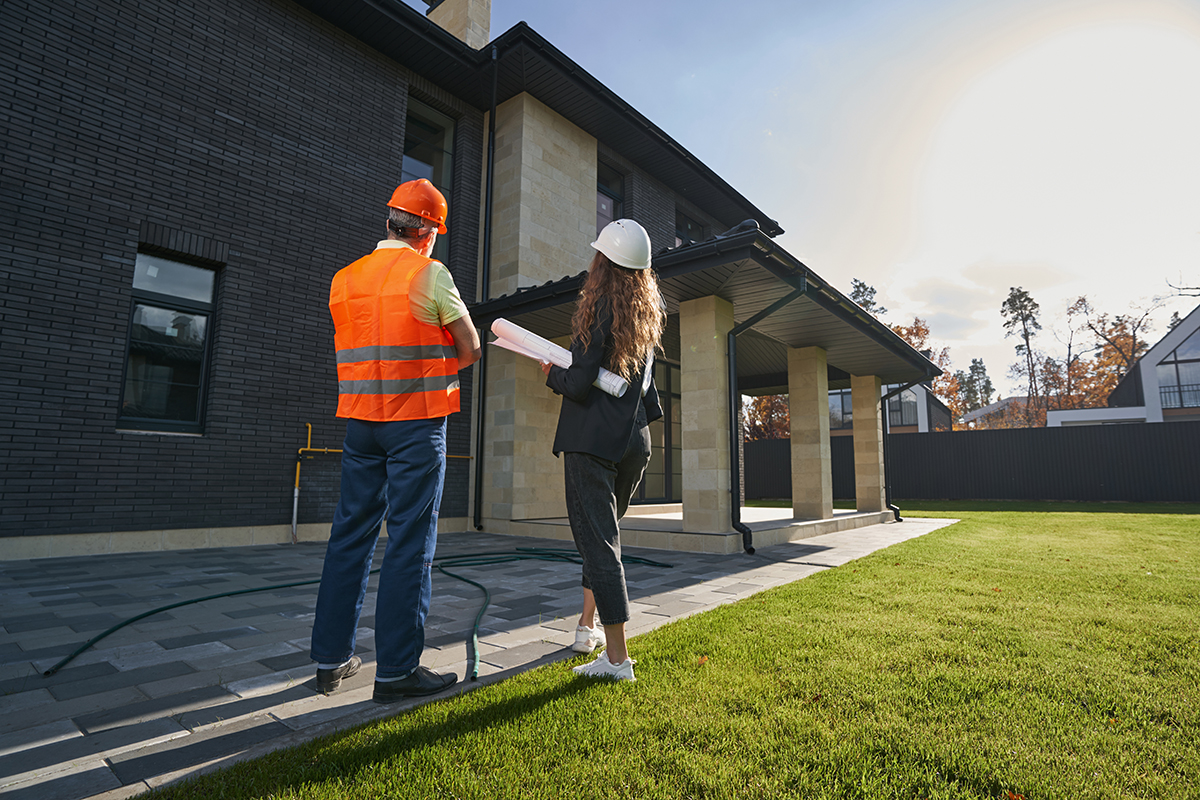
What Is a Pre-Purchase Building Inspection?
A pre-purchase building inspection is a thorough visual assessment of a property’s condition carried out by a licensed building inspector before you commit to buying. The inspector examines the structure, roof, plumbing, electrical systems, drainage, and more — then delivers a detailed written report outlining any defects, safety risks, or maintenance concerns.
At Point Building Inspections, our inspectors are fully licensed, insured, and experienced across Melbourne’s diverse property types — from 1920s weatherboard homes to contemporary apartments.
Pre-Purchase Building and Pest Inspection Cost in Melbourne
One of the first questions buyers ask us is: “What is the pre-purchase building and pest inspection cost in Melbourne?”
Typically, a combined pre-purchase building and pest inspection in Melbourne costs between $400 and $700, depending on the size and age of the property. A standalone building inspection generally starts from $300 to $500.
While that might feel like an upfront cost, consider this: the average cost of repairing major structural defects in Melbourne can run from $20,000 to over $100,000. A few hundred dollars for peace of mind — and negotiating power — is one of the smartest investments you can make.
The Pre-Purchase Property Inspection Checklist: What We Look For
Before we dive into the 10 most common issues, here’s what a professional Pre-Purchase Property Inspection Checklist typically covers:
- Roof structure and coverings
- Sub-floor and foundation
- Internal walls, ceilings, and floors
- Doors, windows, and frames
- Wet areas (bathrooms, laundries, kitchens)
- Drainage and stormwater
- Electrical and plumbing (visual only)
- Pest activity and timber damage
- Garage, sheds, and outbuildings
- Safety hazards (balustrades, stairs, asbestos)
Now, let’s look at what we actually find during inspections.
10 Common Issues Found During Pre-Purchase Building Inspections in Melbourne
Rising Damp and Moisture Problems
Melbourne’s climate — with its wet winters and unpredictable seasons — makes rising damp one of the most frequently reported issues we encounter. Moisture penetrating through walls and floors leads to mould growth, paint bubbling, and in serious cases, structural timber deterioration.
Look for musty smells, salt staining on brickwork, and discolouration on lower walls. This is particularly common in older Melbourne homes built before damp-proof courses became standard practice.
Roof Defects and Water Ingress
Roof problems are among the most expensive to fix — and the most commonly overlooked by untrained eyes. During pre-purchase inspections across Melbourne suburbs, our team regularly identifies cracked or missing roof tiles, rusted box gutters, deteriorated flashing around chimneys, and sagging roof structures.
Water ingress from a compromised roof can silently cause major internal damage over months or years. Always get the roof inspected thoroughly, not just visually from the ground.
Subfloor Issues and Foundation Movement
Melbourne is built on some of the most reactive clay soils in Australia. When the ground dries out (particularly during summer or drought conditions), foundations can move — and when it rains heavily, the soil expands. This soil movement causes cracking in brickwork, sticking doors and windows, and in severe cases, significant structural failure.
Our inspectors check subfloor ventilation, bearer and joist condition, and signs of settlement or movement. These issues are commonly missed without a proper subfloor inspection.
Timber Pest Damage (Termites)
This is why combining your building inspection with a pre-purchase pest inspection in Melbourne is so important. Termites are active across Melbourne, particularly in the inner and outer eastern suburbs. They can silently destroy the structural timber in a home while leaving the painted surface looking perfectly intact.
A pre-purchase building and pest inspection gives you a complete picture — and identifies both active infestations and past damage that may have weakened critical structural elements.
Asbestos-Containing Materials
Homes built before 1990 in Melbourne may contain asbestos in roofing (fibro sheets), wall cladding, eaves, fencing, and floor tiles. While intact asbestos that isn’t disturbed is generally considered low-risk, any renovation or demolition work on these materials requires licensed removal.
Our inspectors flag the presence of suspected asbestos-containing materials so buyers know what they’re dealing with before they pick up a hammer.
Drainage and Stormwater Problems
Poor drainage is a persistent problem across many Melbourne properties — especially those on slopes or in low-lying areas. Blocked stormwater drains, incorrect fall on paths and paving, and inadequate overland flow paths can result in flooding, damp subfloors, and erosion of footings.
We assess all drainage systems as part of our standard pre-purchase inspection, identifying any issues before they become costly emergency repairs.
Electrical Safety Hazards
While our inspections are visual and don’t replace a licensed electrician’s assessment, we regularly identify serious electrical concerns — outdated wiring (such as early 1980s aluminium wiring), unprotected switchboards, non-compliant DIY electrical work, and missing safety switches.
In older Melbourne homes, these electrical issues present real safety risks that need addressing before, or immediately after, purchase.
Cracking in Walls and Ceilings
Not all cracks are created equal. Fine hairline cracks from normal settlement are common and generally not a major concern. However, wide diagonal cracks, step cracking in brickwork, or cracks that run from corners of windows and doors can indicate significant structural movement.
Our inspectors are trained to differentiate cosmetic cracking from structural defects — and we document every crack with photographs so you have a clear record.
Non-Compliant Additions and Unapproved Structures
Melbourne has seen a boom in DIY extensions, decks, garages, and granny flats over the past two decades. Many of these were built without council permits or in breach of building regulations. As a buyer, you inherit these problems — including potential orders to demolish or upgrade non-compliant structures.
Our team flags any additions that appear non-compliant or questionable, giving you the chance to request council documentation from the vendor before settlement.
Plumbing and Hot Water System Defects
Aging plumbing, corroded pipes, faulty hot water systems, and undersized drainage are common in Melbourne’s older housing stock. We inspect visible plumbing components, check for signs of leaks under sinks and in wet areas, and assess the age and condition of hot water systems, which can cost $1,500 to $4,000 to replace.
Why Choose Point Building Inspections in Melbourne?
At Point Building Inspections, we bring years of hands-on building and construction expertise to every property we assess. Our inspectors are:
- Fully licensed and insured under Victorian building regulations
- Experienced across all Melbourne property types — period homes, townhouses, units, and new builds
- Independent — we work solely for you, not the vendor or real estate agent
- Thorough and clear — our reports include photos, plain-language explanations, and priority ratings for every defect
We deliver reports within 24 hours of inspection, so you never miss a settlement deadline.
When Should You Book a Pre-Purchase Building Inspection?
Book your inspection as soon as you receive a Section 32 (Vendor’s Statement) and before you sign a contract of sale. Most Melbourne property contracts allow buyers a cooling-off period — and having an inspection completed in that window gives you the power to negotiate, request repairs, or walk away.
Don’t skip the inspection just because a property “looks well-maintained.” Some of the worst issues we’ve uncovered were in beautifully presented homes where defects were carefully concealed behind fresh paint or new flooring.
Final Thoughts
A pre-purchase building inspection in Melbourne isn’t a luxury — it’s a necessity. For a relatively small upfront cost, you gain complete clarity on the condition of a property, real leverage in price negotiations, and protection against expensive surprises after you move in.
Whether you need a standalone building inspection or a combined pre-purchase building and pest inspection in Melbourne, the team at Point Building Inspections is here to help you buy with confidence.
Ready to book? Contact Point Building Inspections today for a fast quote and same-week appointments across Melbourne and surrounding suburbs.