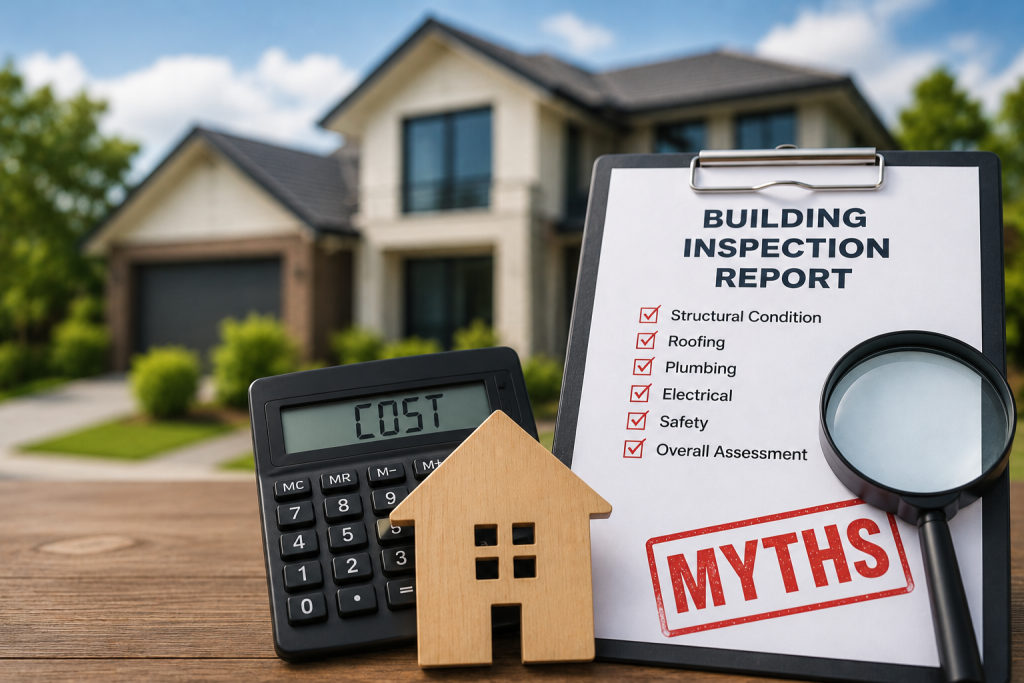
Buying a Home in 2026? Don’t Skip the Pre-Purchase Building Inspection

Do You Really Need a Building and Pest Inspection in Melbourne in 2026?
April 21, 2026
Hidden Factors That Affect Building Inspection Cost in Melbourne
April 24, 2026
Buying a home is one of the most significant financial decisions you’ll ever make. Whether you’re a first-time buyer or a seasoned investor, the excitement of finding your dream property can sometimes override caution. But here’s the truth — no matter how perfect a home looks on the surface, what’s hidden behind the walls, under the floors, or in the roof cavity could cost you tens of thousands of dollars.
That’s exactly why a Pre-Purchase Building Inspection is not optional — it’s essential.
What Is a Pre-Purchase Building Inspection?
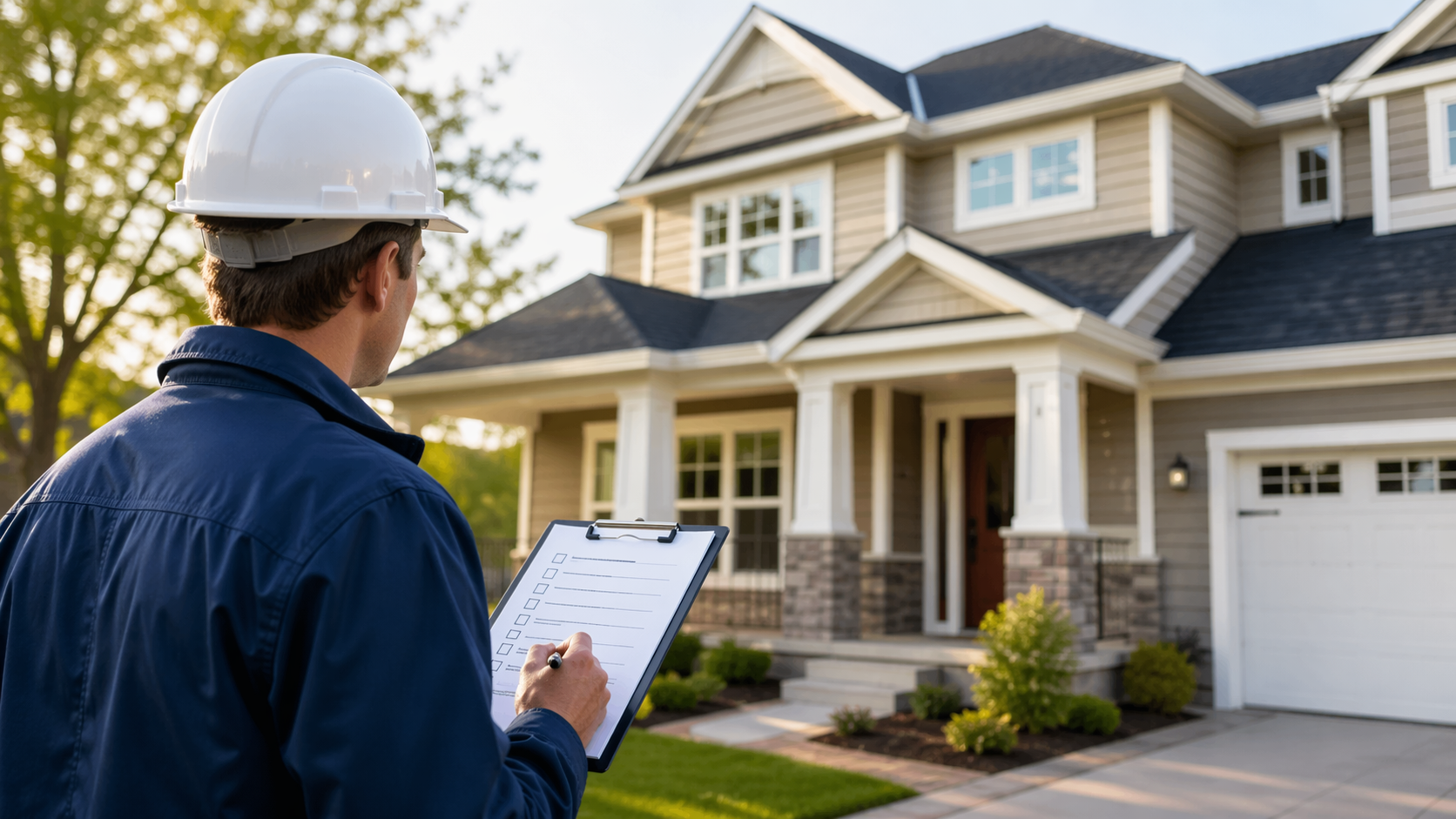
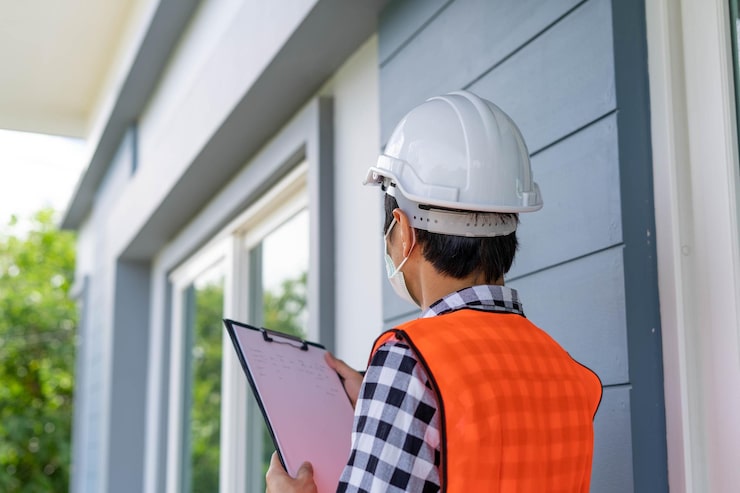
A Pre-Purchase Building Inspection is a thorough, professional assessment of a property’s structural integrity and overall condition, conducted before you finalise the purchase. A licensed building inspector examines every accessible area of the property — from the roof to the subfloor — and delivers a detailed report outlining any defects, safety concerns, or areas requiring maintenance.
In 2026, with property prices at record highs and competition fierce across major cities, buyers cannot afford to make uninformed decisions. A professional inspection gives you the facts — not assumptions — so you can proceed with confidence or renegotiate accordingly.
Why Pre-Purchase Building Inspections Matter More Than Ever in 2026
The Australian property market has evolved rapidly. New builds are rising alongside older heritage homes, and both come with unique risks. Post-pandemic construction supply chain disruptions have led to material shortcuts in some new developments. Meanwhile, older homes — particularly those built before the 1980s — may carry risks related to asbestos, deteriorating timber, or outdated electrical systems.
Here’s what the data tells us: according to industry estimates, 1 in 3 Australian homes has a significant defect that owners are unaware of. In Melbourne alone, the volume of complaints related to undisclosed property defects has continued to rise.
This is not the market to take chances in.
What Does a Pre-Purchase Building & Pest Inspection Cover?
Many buyers in Melbourne opt for a combined Pre-Purchase Building & Pest Inspection — and for good reason. These two inspections together give you a complete picture of the property’s condition.
Building Inspection covers:
- Structural integrity (walls, foundations, roof structure)
- Roof covering and guttering condition
- Internal and external walls for cracks or movement
- Subfloor space — ventilation, moisture, and timber condition
- Drainage and stormwater systems
- Windows, doors, and general fittings
- Visible electrical and plumbing concerns
Pest Inspection covers:
- Active termite infestations and termite damage
- Evidence of past termite activity
- Borer and wood decay fungi
- Conditions that are conducive to future pest attacks (moisture, wood-to-soil contact, poor ventilation)
Termites alone cause an estimated $1.5 billion in damage to Australian properties every year. In Melbourne’s inner and outer suburbs — surrounded by established trees and older timber homes — the risk is very real. Combining both inspections typically costs less than booking them separately and gives you a unified, comprehensive report.
The Real Cost of Skipping an Inspection
Let’s be direct. Some buyers skip the pre-purchase home inspection to speed up the purchase or save a few hundred dollars on inspection fees. This is a false economy.
Consider these scenarios:
- A buyer purchases a property without inspection. Post-settlement, they discover significant subfloor timber damage caused by termites — repair cost: $40,000+
- A couple falls in love with a renovated period home in Melbourne’s eastern suburbs. Without an inspection, they miss a serious roof structure issue — repair cost: $25,000
- A first-home buyer skips the inspection to compete in a hot auction. The property has rising damp and asbestos in the eaves — remediation cost: $60,000+
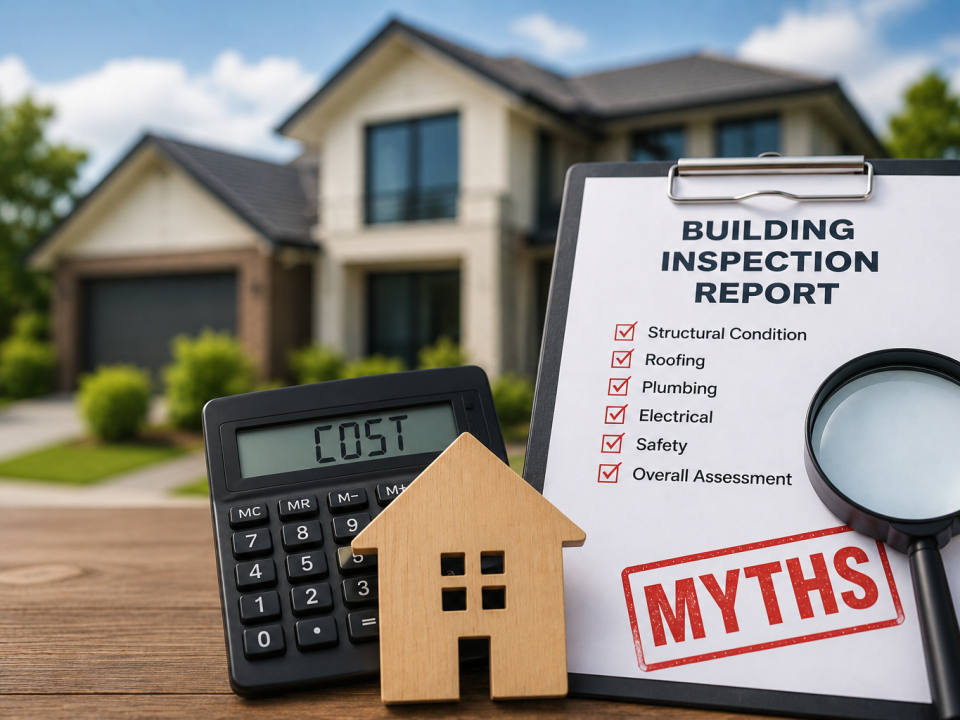
A professional inspection typically costs between $400–$800 in Melbourne depending on property size and inspection type. That’s a small price compared to the financial and emotional cost of discovering hidden defects after settlement.
Pre-Purchase Building Inspection in Melbourne: What to Expect
If you’re buying in Melbourne, here’s what the process typically looks like:
- Book Early — Schedule your inspection as soon as you’re serious about a property. In competitive markets, you want your report before auction day or the cooling-off period ends.
- Choose a Licensed Inspector — Ensure your inspector is licensed under the Building Act 1993 (Vic) and carries professional indemnity insurance. Ask for sample reports to assess their thoroughness.
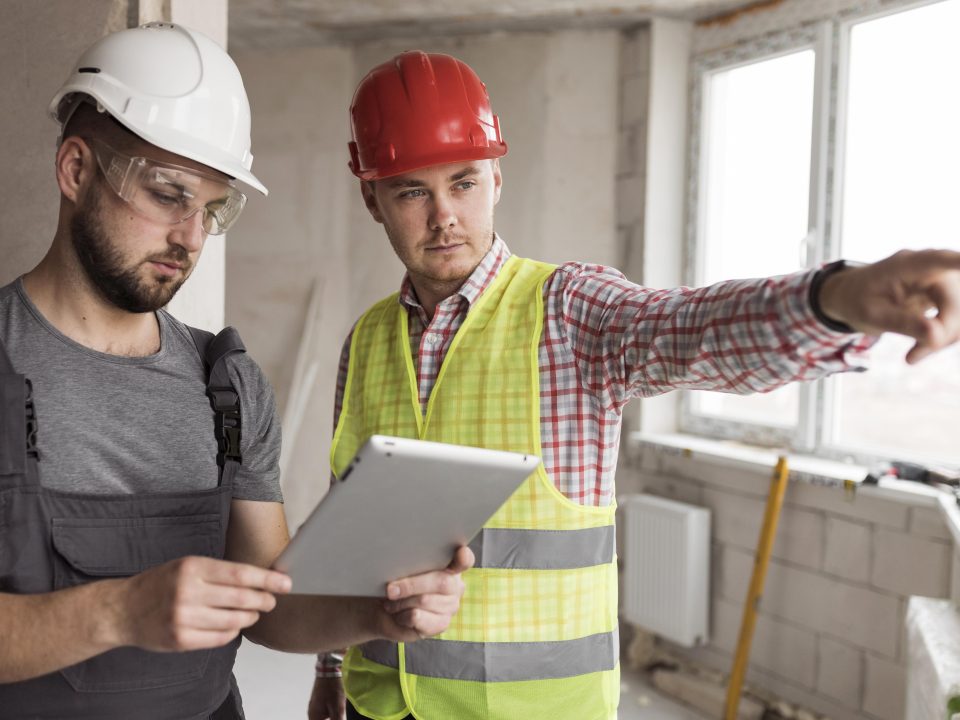
- Attend If Possible — Being present during the inspection allows you to ask questions in real time and understand the severity of any issues found.
- Read the Report Carefully — A quality Pre-Purchase Building Inspection in Melbourne report will include photos, categorised defects (major vs. minor), and clear recommendations.
- Use It as a Negotiation Tool — If significant defects are found, you may be able to renegotiate the purchase price or request the vendor carry out repairs before settlement.
Choosing the Right Inspection Company in Melbourne
Not all inspection services are equal. Here’s what to look for:
- Fully licensed and insured inspectors with verifiable credentials
- Independent — no conflicts of interest with real estate agents
- Detailed reports delivered within 24–48 hours
- Combined building and pest inspection options
- Local knowledge of Melbourne’s building styles, climate, and common issues
- Transparent pricing with no hidden fees
- Positive Google reviews and word-of-mouth reputation
Avoid inspectors who provide vague, one-page reports or who are referred exclusively by your selling agent.
Common Defects Found During Pre-Purchase Inspections in Melbourne
Based on thousands of inspections conducted across Melbourne’s diverse housing stock, these are the most frequently identified issues:
- Roof defects — cracked tiles, rusted gutters, inadequate flashings
- Rising damp and moisture — particularly in weatherboard homes and basements
- Subfloor issues — poor ventilation, timber deterioration, inadequate stumps
- Structural cracks — in brick veneer homes on reactive clay soils
- Termite activity — especially in established garden suburbs
- Asbestos-containing materials — in homes built before 1990
- Poor-quality renovations — non-compliant additions or unlicensed plumbing and electrical work
Melbourne’s variable climate — with wet winters and dry summers — creates conditions that accelerate many of these issues. An inspector with local expertise understands how to identify climate-related deterioration specific to Victoria.
Final Word: Protect Your Investment
Buying a home in 2026 is an exciting milestone. But in a complex, competitive market, due diligence is your greatest protection. A Pre-Purchase Building Inspection is not about finding a reason not to buy — it’s about buying with full knowledge of what you’re getting.
Whether you’re purchasing in Melbourne’s inner suburbs, its growing outer corridors, or the leafy fringe belt, a combined Pre-Purchase Building & Pest Inspection gives you the clarity to negotiate confidently, plan your budget accurately, and move forward without costly surprises.
Don’t let the excitement of homeownership override your instinct for caution. Inspect first. Buy smart.