Pre-Purchase Building Inspection Warning Signs Buyers Should Never Ignore

Pre-Purchase Home Inspection Cost in Australia: What Buyers Should Expect
May 14, 2026
Building and Pest Inspection in Melbourne: Common Issues Found in Older Homes
May 20, 2026
Buying a home is one of the biggest financial decisions you’ll ever make — and in Melbourne’s fast-moving property market, it’s tempting to skip steps just to secure the deal. But cutting corners on a Pre-Purchase Building Inspection can cost you tens of thousands of dollars after settlement.
This guide walks you through the critical warning signs uncovered during a pre-purchase building inspection, why they matter, and what to do when your inspector flags them. Whether you’re a first-time buyer in Fitzroy or upgrading in the outer suburbs, this knowledge could save your investment.
What Is a Pre-Purchase Building Inspection?
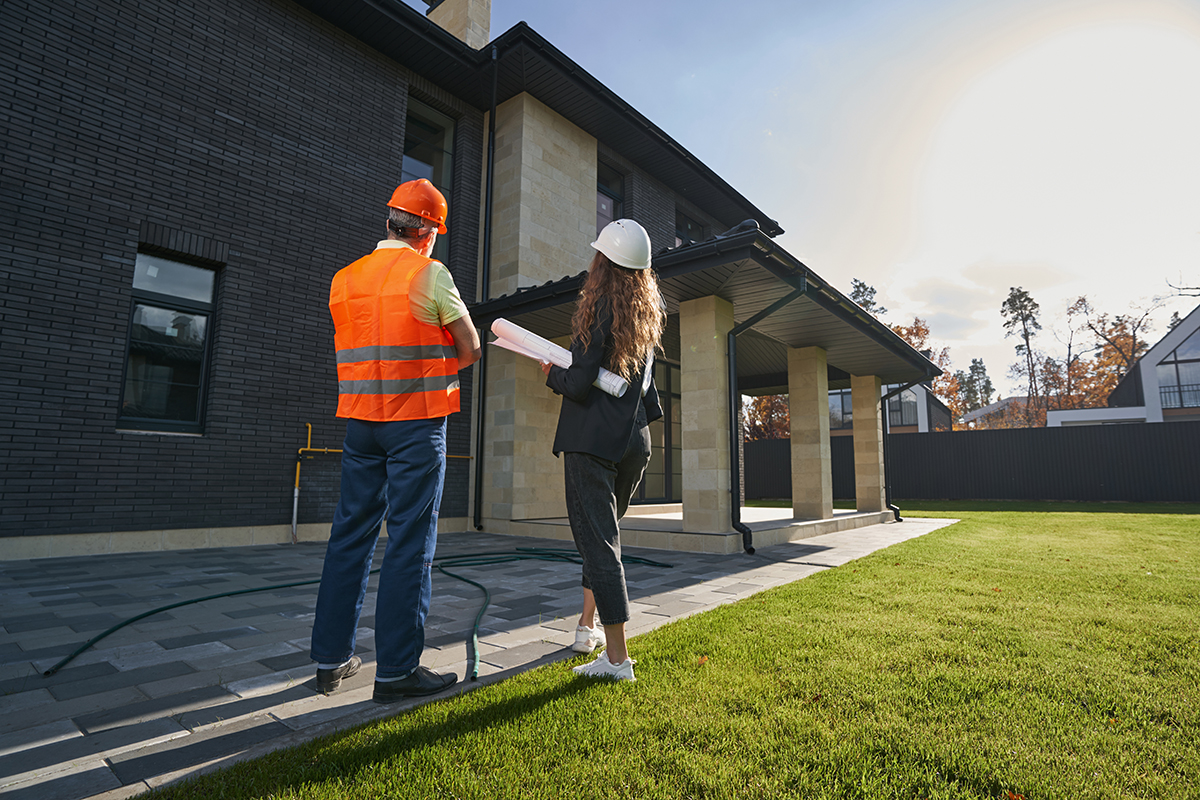
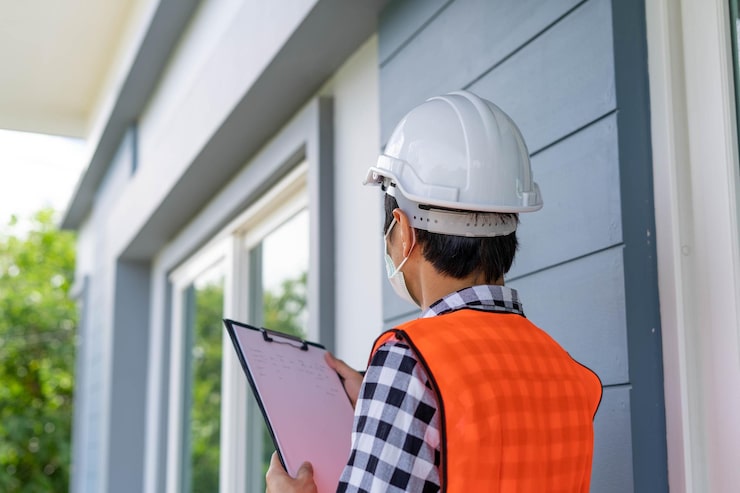
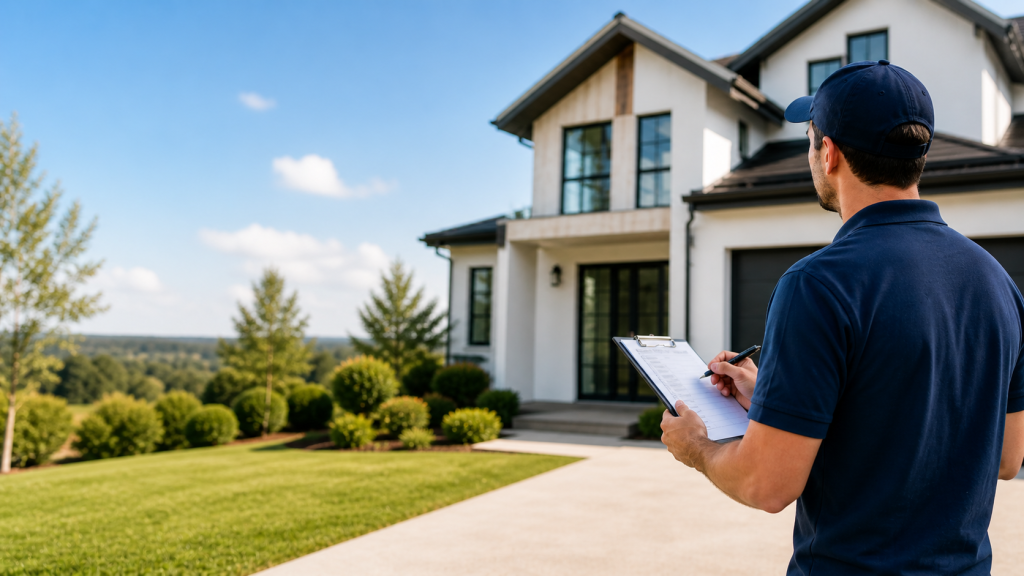
A Pre-Purchase Building Inspection is a professional assessment of a property’s structural integrity and overall condition, carried out before you finalise the purchase. A qualified inspector physically examines the property — from the roof cavity to the subfloor — and delivers a detailed written report identifying defects, safety hazards, and maintenance concerns.
In Melbourne, most experienced buyers pair this with a pre-purchase pest inspection to get the full picture. Together, they form your most powerful due-diligence tool in any property transaction.
Why You Should Never Skip It
Many buyers assume that because a property looks good cosmetically, it’s structurally sound. That’s a dangerous assumption.
Sellers and their agents present homes at their best. Fresh paint, new flooring, and modern fixtures can easily mask serious underlying problems — issues that only a trained inspector will catch. A missed structural fault discovered after you take ownership becomes your problem, not the seller’s.
The pre-purchase home inspection cost in Melbourne typically ranges from $300 to $600 for a standard building report, and $400 to $800 when combined with a pest inspection. The Pre-Purchase Building and Pest Inspection cost is genuinely one of the smartest investments you’ll make in the buying process — far cheaper than post-settlement repair bills that can run into the hundreds of thousands.
10 Warning Signs Your Building Inspector Will Look For
Structural Cracks in Walls and Foundations
Not all cracks are equal. Fine, hairline cracks in plaster are usually cosmetic. But diagonal cracks running from door or window corners, stair-step cracking in brick, or horizontal cracks in retaining walls are serious red flags indicating foundation movement or subsidence.
Melbourne’s clay-heavy soils are notorious for shrinking and expanding with seasonal moisture changes. Properties in areas like Dandenong, Cranbourne, and parts of the inner north are especially susceptible. An inspector will document crack patterns, assess their direction and width, and advise whether further structural engineering is required.
Rising Damp and Water Damage
Water ingress is one of the most common — and costly — defects found during a Pre-Purchase Building Inspection in Melbourne. Look for:
- Peeling paint or bubbling plaster near skirting boards
- White salt deposits (efflorescence) on brick walls
- Dark staining or mould at low wall heights
- Musty odours in enclosed spaces like cupboards or bathrooms
Rising damp can compromise structural timbers, destroy insulation, and create serious mould and health issues. Remediation is rarely cheap, and it’s rarely just a cosmetic fix.
Roof Defects
The roof is your property’s first line of defence. Inspectors check for cracked or missing roof tiles, damaged flashing around chimneys and skylights, sagging roof structures, and deteriorated ridge capping.
A compromised roof can allow water to penetrate the ceiling and wall cavities, leading to rot, mould, and structural damage. In Melbourne’s changeable weather — from summer hailstorms to winter downpours — a failing roof becomes a costly emergency quickly.
Timber Pest Activity (Termites)
This is where a combined building and pre-purchase pest inspection in Melbourne becomes absolutely essential. Termites are silent destroyers. They can hollow out structural timbers while leaving the painted surface intact — meaning the damage is completely invisible to the untrained eye.
A licensed pest inspector uses moisture meters, thermal imaging, and tapping techniques to detect live termite activity, old damage, and conditions that attract termites. Signs include mud tubes along stumps, hollow-sounding timber, and frass (termite droppings) near skirting boards.
Don’t assume newer homes are safe. Termites don’t discriminate by age.
Subfloor Problems
In Melbourne, many period homes (1880s–1960s) are built on timber stumps with accessible subfloor spaces. Inspectors check for:
- Rotted or collapsed stumps
- Poor ventilation leading to moisture build-up
- Fungal decay in floor joists and bearers
- Evidence of pest activity
A failing subfloor can mean uneven or bouncy floors, and full restumping in Melbourne can cost $15,000–$40,000 depending on the property size.
Electrical and Plumbing Red Flags
While a building inspector is not a licensed electrician or plumber, they will flag visible concerns — exposed wiring, DIY electrical work without permits, corroded pipes, inadequate hot water systems, or signs of previous leaks. These findings indicate you need specialist trades to assess further before committing.
Illegal or Non-Compliant Additions
Extensions, carports, decks, and renovations built without council permits are a growing problem in Melbourne’s property market. Non-compliant structures can’t be insured, may need to be demolished, and can create problems when you eventually try to sell.
Your inspector will flag structures that appear to lack proper footings, have non-compliant materials, or show signs of DIY construction that wouldn’t pass building regulations.
Poor Drainage and Stormwater Issues
Water should flow away from a property, not toward it. Inspectors assess site drainage, checking whether the land slopes correctly, whether stormwater systems are functional, and whether previous owners have altered grading in ways that push water toward the foundation.
Pooling water under or around a property creates the perfect conditions for damp, rot, and subfloor damage.
Asbestos-Containing Materials
Properties built before 1990 may contain asbestos in eaves, ceilings, wet areas, and more. Intact, non-friable asbestos isn’t necessarily dangerous — but damaged or disturbed asbestos is a serious health hazard requiring licensed removal.
Your inspector will identify suspected asbestos-containing materials. If present, a separate asbestos assessment should be arranged before any renovation work.
Evidence of Previous Repairs and Cover-Ups
Experienced inspectors develop a sharp eye for disguised defects — patched walls that don’t quite match, fresh paint in very specific spots, new flooring over damaged subfloors, or recently repointed brickwork over cracked mortar.
These signs may indicate the vendor was aware of a defect and attempted to conceal it rather than properly repair it.
What Happens After the Report?
A pre-purchase building inspection report doesn’t automatically mean you should walk away. It gives you information — and information is leverage.
Depending on the findings, you can:
- Negotiate the purchase price based on estimated repair costs
- Request the vendor rectify defects before settlement
- Withdraw from the contract under your cooling-off rights (conditions apply)
- Proceed with full awareness of what maintenance the property requires
Your inspector should be available to walk you through the report verbally. If you don’t understand a finding, ask. A good inspector will clearly distinguish between minor maintenance items and serious structural concerns.
How Much Does a Pre-Purchase Building Inspection Cost in Melbourne?
Here’s a realistic breakdown:
| Inspection Type | Typical Cost (Melbourne) |
| Building inspection only | $300 – $500 |
| Pest inspection only | $200 – $350 |
| Combined building & pest | $400 – $700 |
| Large or complex property | $600 – $900+ |
The Pre-Purchase Building Inspection cost varies based on property size, age, and access. Always choose a licensed, experienced inspector — not the cheapest option you can find. Ask for their licence number, professional indemnity insurance, and sample reports before booking.
Final Word: Don’t Let Enthusiasm Override Due Diligence
It’s easy to fall in love with a property and want to rush the process. But every experienced Melbourne buyer and real estate professional will tell you the same thing: never skip the building inspection.
The findings may confirm your confidence — or they may reveal a money pit hiding behind fresh paint and a manicured garden. Either way, you deserve to know exactly what you’re buying before you sign.
Point Building Inspection in Melbourne gives you that certainty. It’s not a formality. It’s your financial protection.