Pre-Purchase Building Inspection: Costs, Benefits & What’s Included

What Affects Building Inspection Cost in Melbourne? Key Pricing Factors ?
April 28, 2026
Buying a Home in Melbourne? Here’s Why You Need a Building and Pest Inspection
May 6, 2026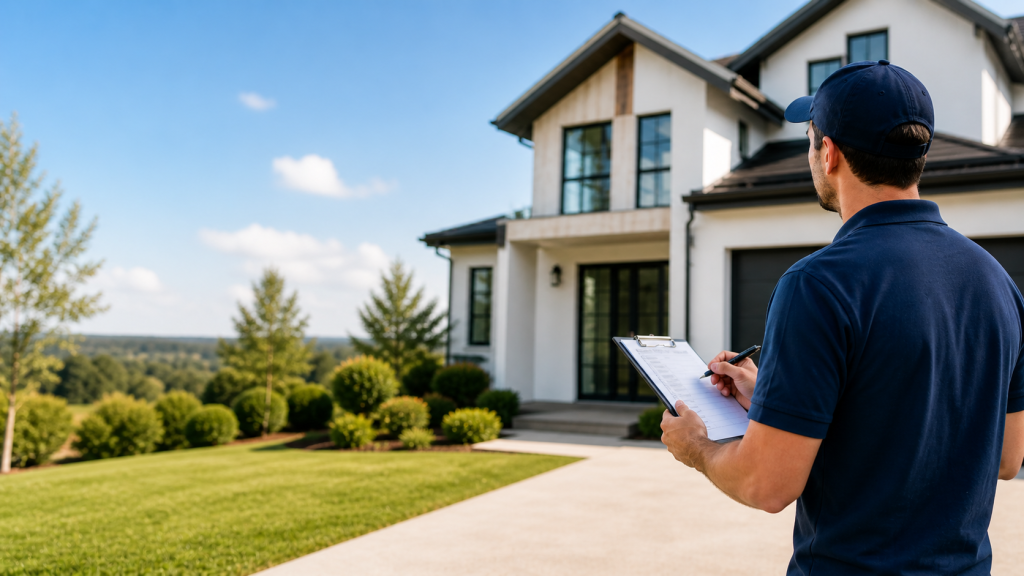
Buying a home in Melbourne is one of the biggest financial decisions you’ll ever make. Whether it’s a terrace in Fitzroy or a family home in Werribee, one step you should never skip is a pre-purchase building inspection.
This guide covers what it is, what it costs, what’s included — and why it’s worth every dollar.
What Is a Pre-Purchase Building Inspection?
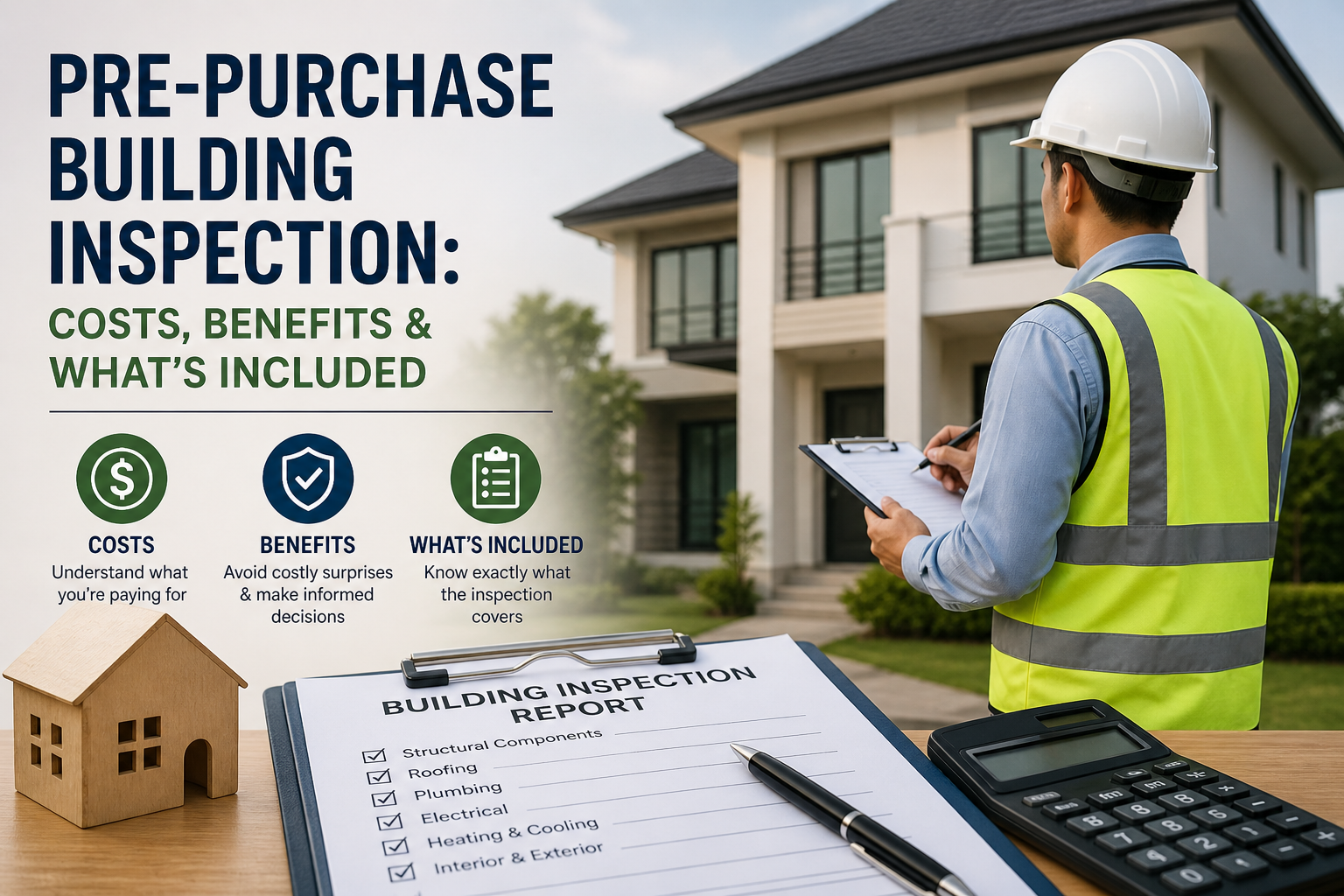
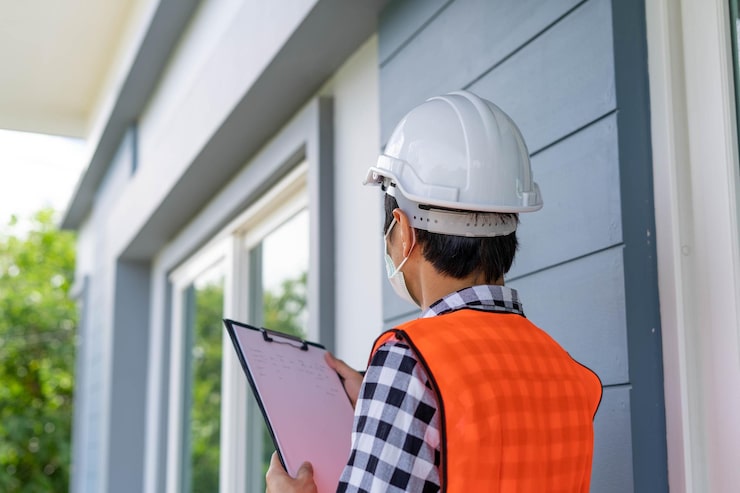
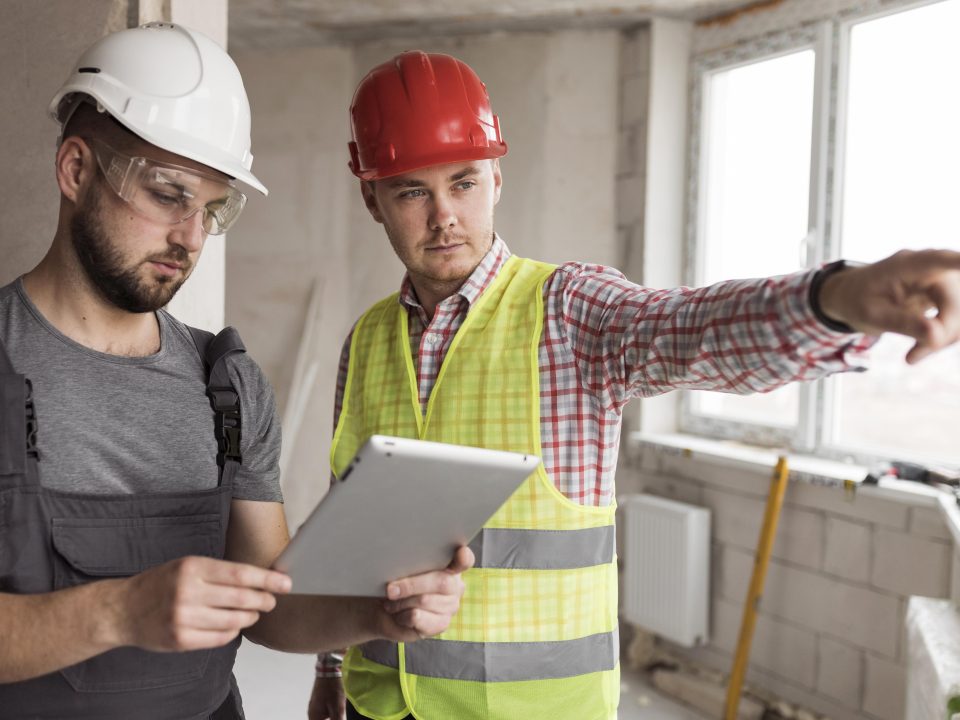
A pre-purchase building inspection is a professional check of a property’s condition before you finalise the purchase. A qualified inspector visits the property, examines everything they can access, and gives you a written report outlining any defects or concerns.
In Australia, these inspections follow AS 4349.1 — the national standard for residential building inspections. Any reputable inspector will follow this standard.
Quick tip: The inspection report can be used to negotiate a lower purchase price or request repairs before settlement.
Why It Matters in Melbourne
Melbourne has a lot of older housing stock — Victorian and Edwardian homes in suburbs like Collingwood, Brunswick, and Richmond are often over 100 years old. These homes can look great on the surface but hide serious problems underneath.
Common issues found in Melbourne properties include:
- Rising damp (especially on clay-heavy soils)
- Subfloor timber decay
- Roof deterioration from old terracotta tiles
- Poor drainage and water pooling
In a fast-moving auction market, buyers can feel pressure to skip the inspection. Don’t. It’s one of the biggest financial mistakes you can make.
What’s Included in a Pre-Purchase Building Inspection?
Here’s what a standard inspection covers:
Structural areas
- Roof structure (trusses, rafters, battens)
- Subfloor (bearers, joists, stumps)
- Walls — internal and external
- Floors (checking for sagging or moisture damage)
- Foundations and footings
External areas
- Roof covering, gutters, and downpipes
- External cladding (brick, render, weatherboard)
- Driveway, paths, fencing, and retaining walls
- Drainage around the property
Internal areas
- Ceilings and walls (staining, cracking, bulging)
- Wet areas — bathrooms, laundry, kitchen
- Doors and windows
- Electrical switchboard (visual check only)
- Signs of damp, mould, or leaks
Important: A standard building inspection does NOT include electrical testing, plumbing, or pool compliance. These need separate specialist reports.
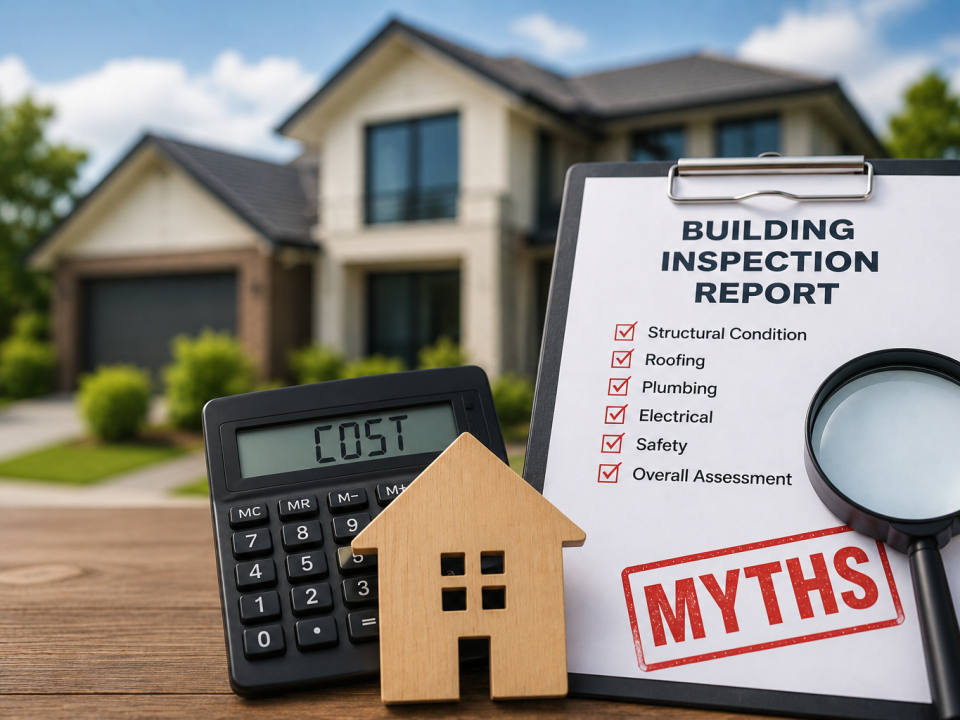
Pre-Purchase Building and Pest Inspection Cost in Melbourne
Cost depends on property size and whether you combine it with a pest inspection.
| Inspection Type | Typical Cost (Melbourne) |
| Building only | $350 – $500 |
| Building + Pest (combined) | $450 – $700 |
| Large property (4+ bedrooms) | $600 – $900+ |
| Apartment / strata unit | $300 – $450 |
Prices are approximate for Melbourne metro as of 2025.
Is it worth the money?
Yes. A $500 inspection that finds $25,000 worth of subfloor damage gives you real negotiating power. Most buyers who find significant defects use the report to reduce the purchase price or make repairs a condition of sale. The inspection fee pays for itself many times over.
How to Choose a Building Inspector in Melbourne
In Victoria, look for an inspector who:
- Is registered with the Victorian Building Authority (VBA)
- Carries professional indemnity and public liability insurance
- Provides a written report following AS 4349.1
- Includes photos of all defects
- Is happy to answer questions after delivering the report
Avoid inspectors recommended by the selling agent — there’s a conflict of interest. Choose your own. The Master Builders Association Victoria and the HIA are good starting points.
Frequently Asked Questions
When should I book a pre-purchase home inspection?
As soon as your offer is accepted. For auction properties, arrange it during the campaign period — usually 30–45 days before the auction.
How long does it take?
The on-site inspection takes 1.5–3 hours. The written report is usually delivered within 24–48 hours.
Can I attend the inspection?
Yes — and you should. Being there lets you ask questions and see defects firsthand. A good inspector will walk you through the key issues on the day.
Does the inspection cover termites?
Only if you book a combined building and pest inspection. For freestanding homes in Melbourne — especially in outer-eastern suburbs and the Mornington Peninsula — a combined inspection is strongly recommended.
Can I use the report to negotiate the price?
Absolutely. If the report uncovers significant defects, your solicitor or conveyancer can help you negotiate a price reduction or ask the vendor to carry out repairs before settlement.
Final Word
A pre-purchase building inspection in Melbourne is not an optional extra — it’s essential. For a few hundred dollars, you get a clear picture of what you’re actually buying. That knowledge can save you from a very expensive mistake.
Don’t sign anything until you’ve had the property inspected by a qualified, independent professional.