Building and Pest Inspection Checklist: What Melbourne Buyers Should Know ?

Pre Purchase Building Inspection Melbourne: The Complete Buyer’s Guide
November 19, 2026
Building Inspection in Melbourne: A Complete Guide for Home Buyers ?
November 20, 2026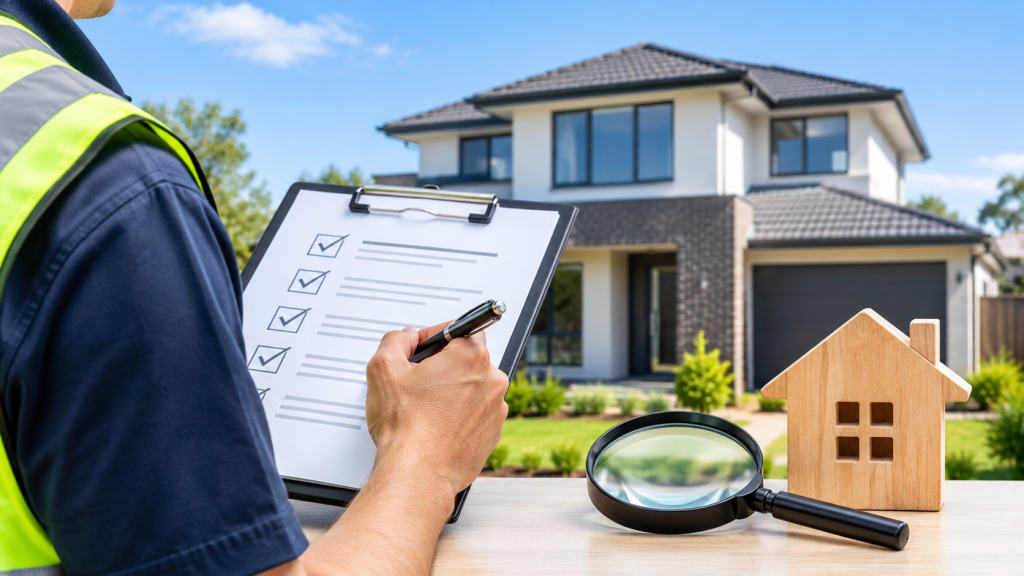
Buying property in Melbourne is one of the most significant financial decisions you’ll ever make. Whether you’re a first-home buyer in the outer suburbs of Craigieburn, an investor eyeing a Victorian terrace in Fitzroy, or upgrading to a family home on the Mornington Peninsula, skipping a building and pest inspection in Melbourne can cost you far more than you save.
At Point Building Inspections, we’ve helped thousands of Melbourne buyers uncover hidden defects, termite activity, and structural issues before they sign on the dotted line. This checklist-style guide breaks down everything you need to know — from what gets inspected to what the report actually means.
Why a Building and Pest Inspection in Melbourne Is Non-Negotiable?
Melbourne’s property market is competitive, and buyers often feel pressure to move fast. But the city’s diverse housing stock — from federation-era weatherboard homes to 1970s brick veneers and modern townhouses — comes with an equally diverse range of potential issues.
Termite risk in greater Melbourne is well-documented. The warm, moist conditions around suburbs like Templestowe, Doncaster, and the Dandenong Ranges create ideal environments for subterranean termite colonies. Meanwhile, older properties across Carlton, Richmond, and St Kilda often present rising damp, failing roof structures, and deteriorated subfloor timbers.
A professional building and pest inspection Melbourne buyers commission is conducted under Australian Standard AS 4349.1 (building inspections) and AS 4349.3 (timber pest inspections). These standards ensure your inspector follows a legally recognised methodology — not just a casual walk-through.
What Does a Building and Pest Inspection Cover?
Here’s a comprehensive checklist of what a qualified inspector from Point Building Inspections examines:
1. Roof Space and Roof Exterior
- Roof covering condition (tiles, Colorbond, terracotta)
- Flashing, guttering, and downpipe integrity
- Roof framing, rafters, and sarking
- Evidence of water ingress or staining
- Adequate ventilation
- Signs of timber pest damage to roof timbers
2. External Walls and Structure
- Cracks in brick, render, or cladding
- Bowing, bulging, or leaning walls
- Gaps around windows and door frames
- Condition of external paint and sealants
- Rising damp indicators at base of walls
- Evidence of previous repairs or patching
3. Internal Rooms and Living Areas
- Ceiling cracks, staining, or sagging
- Wall cracks (distinguishing cosmetic vs. structural)
- Floor levelness and bounce (soft spots indicating subfloor damage)
- Door and window operation (sticking doors signal movement)
- Evidence of water damage around wet areas
4. Wet Areas — Bathrooms, Laundries, Kitchens
- Grout and silicone condition
- Waterproofing integrity
- Signs of leaks beneath fixtures
- Exhaust ventilation
- Tile cracking and hollowness
5. Subfloor (Suspended Timber Floors)
- Adequate clearance and ventilation
- Bearer and joist condition
- Evidence of termite workings, mud leads, or frass
- Moisture levels in subfloor timbers
- Fungal decay or wood rot
6. Garage, Outbuildings, and Fencing
- Structural soundness of garages and carports
- Condition of boundary fencing
- Retaining walls (critical in hilly Melbourne suburbs like Eltham and Warrandyte)
- Driveways and paths — cracking and trip hazards
7. Pest Inspection Component
- Visual inspection for live termites or termite damage
- Moisture meter readings across high-risk zones
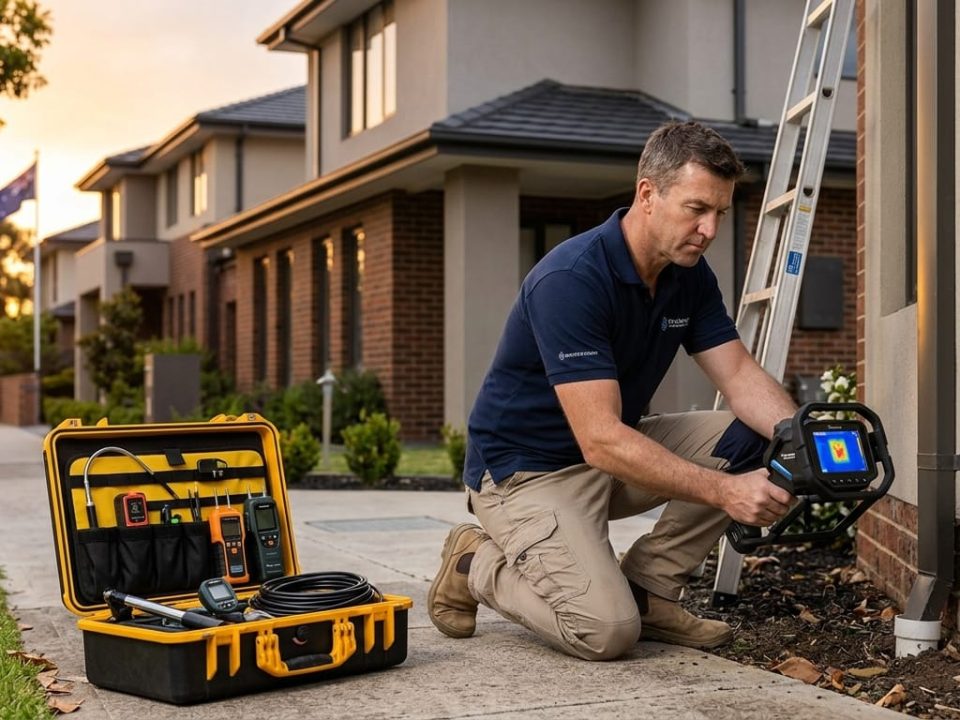
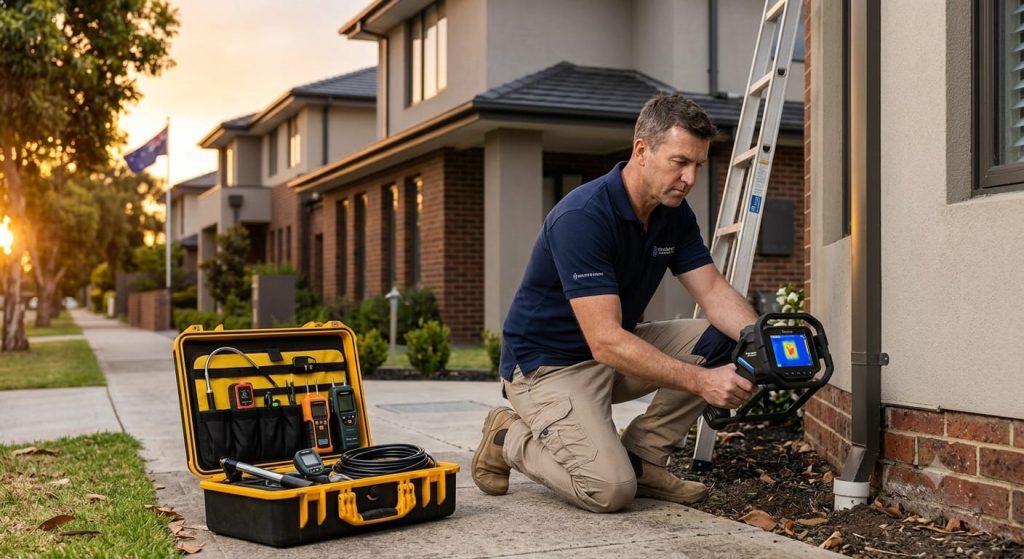
- Thermal imaging (where offered) to detect concealed activity
- Evidence of borers, wood decay fungi
- Assessment of conditions conducive to future infestation
Understanding Melbourne-Specific Risk Factors
Not all cities face the same building and pest risks. Melbourne buyers should be aware of several local factors:
Heritage and period homes: Properties built pre-1970 in suburbs like Hawthorn, Kew, Camberwell, and Northcote often feature original lead paint, asbestos-containing materials (particularly in fibro homes), and ageing electrical wiring. While inspectors note visible evidence, additional specialist testing may be recommended.
Reactive clay soils: Large parts of Melbourne’s east and south-east sit on highly reactive clay. Suburbs including Narre Warren, Pakenham, and Berwick regularly see foundation movement and cracking linked to seasonal soil shrink-swell. A building and pest inspection Melbourne report should flag this risk.
Bushfire Overlay Zones: Properties in the outer east and Yarra Ranges fall under Victoria’s Bushfire Management Overlay. Construction standards and materials matter here and should be verified.
New townhouses and unit developments: Melbourne’s apartment and townhouse boom has not been without quality concerns. Even new builds benefit from a pre-settlement inspection to identify defects before you take ownership.
When Should You Book a Building and Pest Inspection in Melbourne?
Timing matters. Here are the three most common scenarios:
- Before auction: Commission a pre-purchase building and pest inspection Melbourne buyers use to know exactly what they’re bidding on. You can’t renegotiate after the hammer falls at auction.
- During a cooling-off period: If you’ve signed a private sale contract, Victoria’s standard cooling-off period gives you three business days. Use this window to arrange your inspection immediately.
- Pre-settlement inspection: A final walkthrough in the days before settlement to ensure the property’s condition hasn’t changed since the original inspection.
Point Building Inspections operates across metropolitan Melbourne and regional Victoria, with fast turnaround times so buyers never miss their window.
How to Read Your Building and Pest Inspection Report
Receiving a 40-page report can feel overwhelming. Here’s how to interpret it:
Major defects require urgent attention and may affect your buying decision or price negotiation. These include active termite infestations, structural wall cracks, compromised roof frames, and failing waterproofing.
Minor defects are common in any home — aging caulking, minor cracking, worn paint — and are generally maintenance items.
Safety hazards must be rectified urgently. These include exposed wiring, unstable structures, and trip hazards.
Conditions conducive to pest activity don’t mean pests are present, but flag environmental risks: excessive moisture, timber-to-soil contact, dense garden beds against walls.
At Point Building Inspections, every report includes a plain-English summary so you understand exactly what you’re dealing with — no jargon, no ambiguity.
How Much Does a Building and Pest Inspection in Melbourne Cost?
According to current Melbourne market rates, a combined building and pest inspection typically costs between $400 and $800, depending on property size, type, and location. Standalone building inspections range from approximately $300 to $550 for a standard Melbourne home.
Factor in that a single major defect — a termite infestation, a failed retaining wall, or significant water damage — can cost tens of thousands of dollars to rectify. The inspection fee is one of the best investments in the buying process.
5 Questions to Ask Your Melbourne Building Inspector ?
Before you book, ask these:
- Are you a registered building practitioner in Victoria? This is a legal requirement under the Building Act 1993 (Vic).
- Do you hold professional indemnity and public liability insurance? Non-negotiable.
- Will the same inspector carry out both the building and pest component? Per Australian Standards, building and timber pest inspections are separate disciplines — they should not be carried out by one person simultaneously.
- Can I attend the inspection? Reputable inspectors welcome this — it’s your property purchase.
- How soon will I receive my report? At Point Building Inspections, reports are delivered the same day or within 24 hours.
Why Melbourne Buyers Choose Point Building Inspections ?
Point Building Inspections is a Melbourne-based, independent inspection company with deep experience across the city’s diverse property market. We are:
- Registered building practitioners (VBA registered)
- Fully insured with professional indemnity coverage
- Experienced with all Melbourne property types — from inner-city apartments to sprawling outer suburban homes
- Committed to clear, actionable reports delivered fast
We don’t work for agents. We work for you.
Final Word: Don’t Skip the Inspection
Melbourne’s property market rewards prepared buyers. A thorough building and pest inspection in Melbourne protects your investment, gives you negotiating power, and ensures there are no expensive surprises after settlement.
Whether you’re buying in Melbourne’s inner north, the bayside suburbs, the outer east, or the growing growth corridors of the city’s west, Point Building Inspections is here to give you the confidence to buy smart.