Pre Purchase Building Inspection Melbourne: The Complete Buyer’s Guide

Pre Purchase Building Inspection in Melbourne
November 19, 2026
Building and Pest Inspection Checklist: What Melbourne Buyers Should Know ?
November 19, 2026
A pre purchase building inspection in Melbourne is an independent, visual assessment of a property’s condition before you commit to buying it. It identifies structural defects, moisture problems, roof and drainage issues and safety hazards, so you can negotiate, plan repairs or walk away with confidence. This guide explains what is inspected, what it costs you to skip it, and how to get the most from the report.
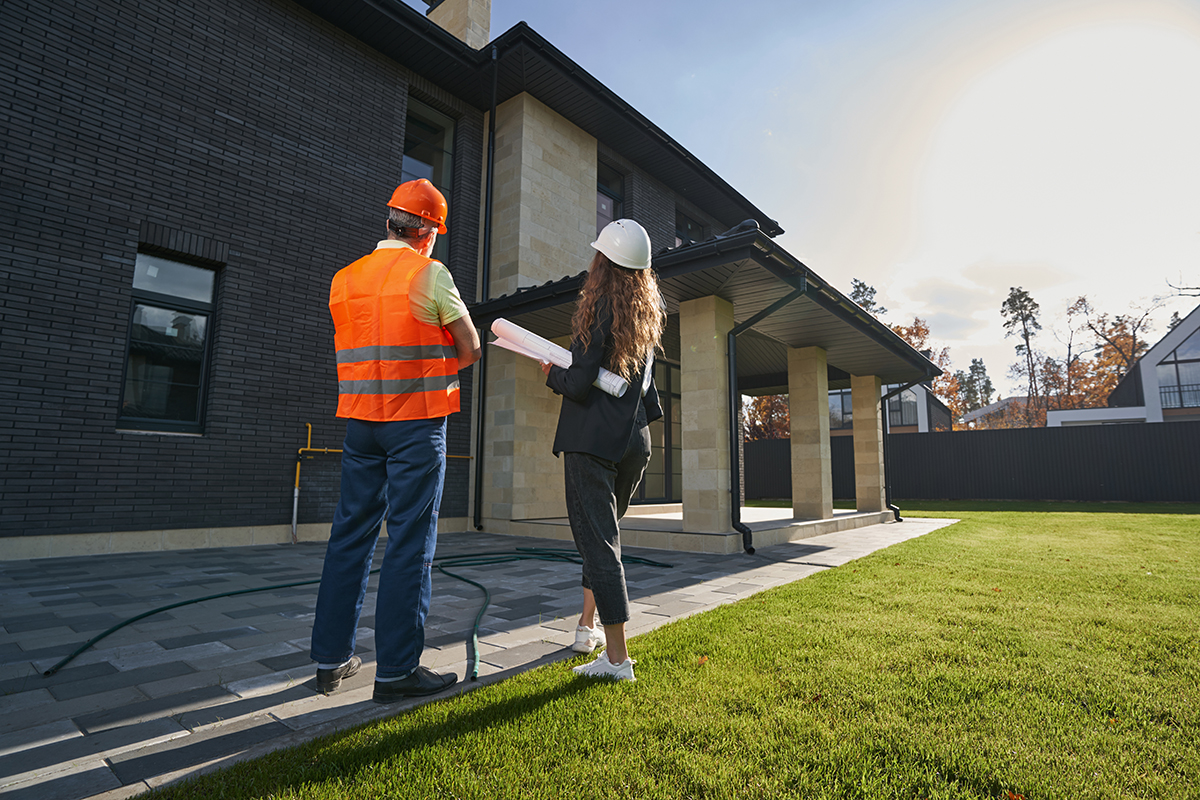
Buying a home is usually the largest financial decision a person makes. In a market where contracts can be signed quickly and auctions leave no cooling-off period, the condition of the building often gets less attention than the kitchen or the street. That is exactly why an inspection matters.
Quick answer: A pre purchase building inspection costs far less than most major repairs, takes a few hours on site, and should be completed before you are legally bound to the contract. At auction, that means before you bid.
What Is a Pre Purchase Building Inspection?
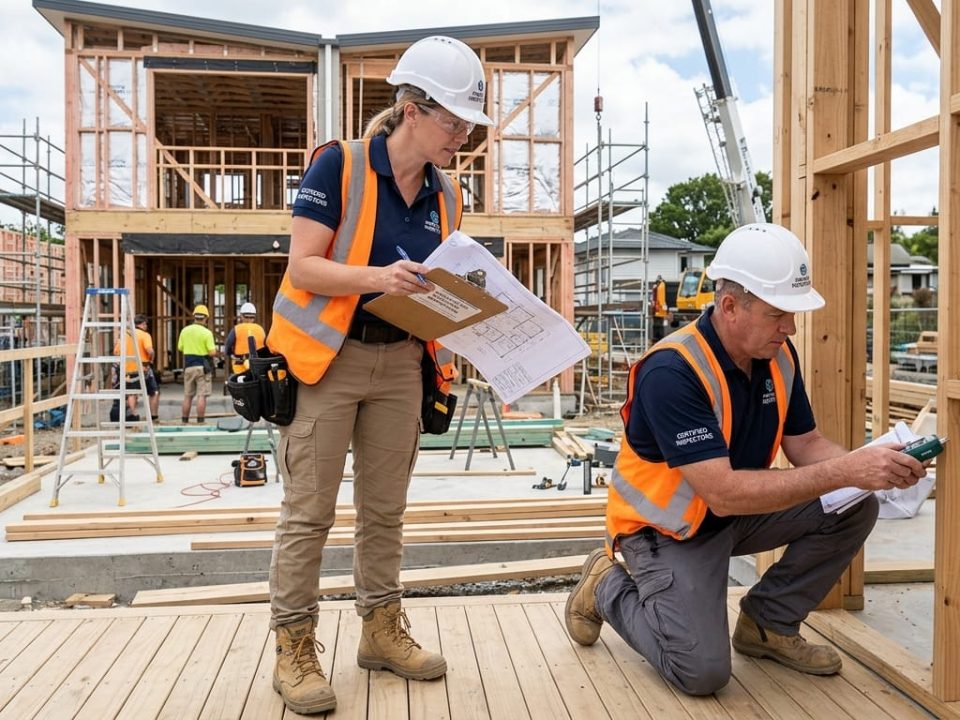
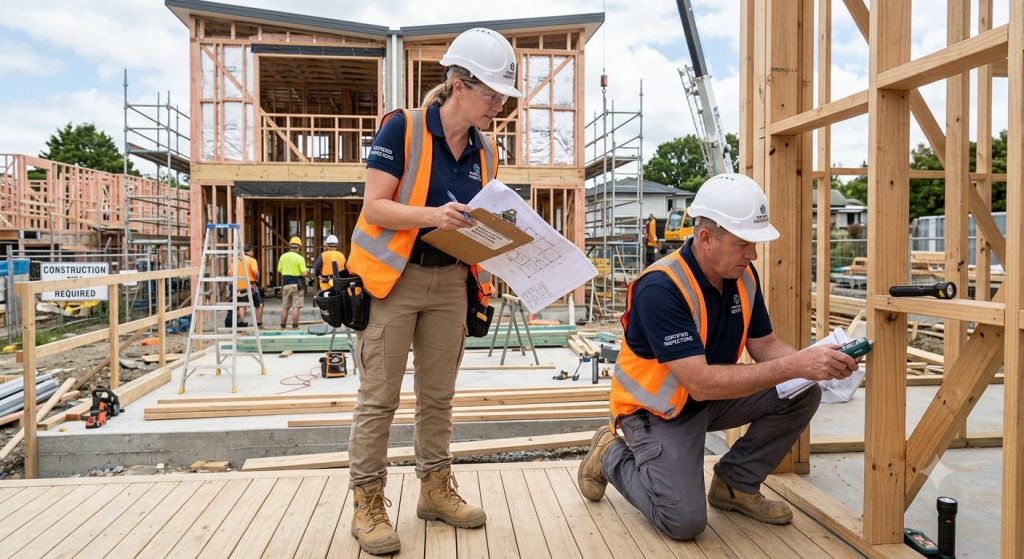
A pre purchase building inspection is a non-invasive visual inspection of a property’s accessible areas, carried out by a qualified building inspector. It records major defects, minor defects and safety hazards, and the findings are summarised in a written report that buyers can use when negotiating or deciding whether to proceed.
In Australia, residential inspections are generally guided by AS 4349.1 – Inspection of Buildings, Part 1: Pre-purchase inspections – Residential buildings. The standard sets out what an inspector should assess, how the inspection is limited to areas that are safely and reasonably accessible, and how defects should be reported.
A few points worth understanding early:
- The inspection is visual. Inspectors do not cut into walls, lift floors or dig up foundations.
- It reflects the property’s condition on the day. It is not a warranty or guarantee.
- It is independent. The report is for you, not the agent or the vendor.
- It is different from a building surveyor’s compliance or permit check, and different again from a bank valuation.
Why Is a Pre Purchase Building Inspection Important in Melbourne?
A pre purchase building inspection protects buyers from paying full price for hidden problems. It helps you understand repair costs before settlement, gives you evidence for price negotiation, and reduces the risk of inheriting structural, moisture or safety issues that are not obvious during a 20-minute open home.
Open homes are designed to show a property at its best. Fresh paint, styled furniture and a well-placed rug can conceal a surprising amount. A trained inspector looks where buyers usually don’t: roof voids, subfloors, behind vanities, along downpipes and at the base of walls.
Melbourne’s Property Market and Contract Timing
Melbourne is well known for its active auction culture. If you buy at auction, or sign within three clear business days before or after a publicly advertised auction, the standard Victorian cooling-off period does not apply, according to Consumer Affairs Victoria. Once the hammer falls, the contract is binding.
For private sales, buyers generally have three clear business days to cool off, but ending the contract in that window can cost you the greater of $100 or 0.2 per cent of the purchase price. Many buyers instead make their offer subject to a satisfactory building and pest inspection, which is the cleaner approach if the vendor accepts it. Have a conveyancer or solicitor review any special conditions.
Older Homes and Established Suburbs
Much of Melbourne’s charm sits in its older housing stock: Victorian terraces, Edwardian and Federation homes, interwar bungalows, post-war weatherboards and brick-veneer homes from the 1960s to 1980s. Each era has typical issues:
- Victorian and Edwardian homes: timber stumps and bearers, rising or salt damp, cracked lime mortar, aged roof plumbing, historic additions built without permits.
- Interwar and post-war homes: underfloor ventilation problems, dated wiring and plumbing, settlement cracking, deteriorated roof tiles.
- 1960s–1980s homes: asbestos-containing materials were commonly used in Australian homes built before the late 1980s, and Consumer Affairs Victoria recommends an asbestos assessment for properties built before 1990.
- Townhouses and units: poorly detailed balconies, waterproofing failures, shared drainage and owners-corporation responsibilities.
An older home is not a bad buy. It simply carries a higher chance that deferred maintenance or unapproved work will surface.
Weather, Soil and Drainage in Melbourne
Melbourne’s changeable climate, with dry spells followed by heavy rain, is hard on buildings. Several local factors regularly show up in inspection reports:
- Reactive clay soils: Many Melbourne suburbs, particularly across the north and west, sit on clay that swells when wet and shrinks when dry. This movement can cause cracking, sticking doors and uneven floors. Footing design is covered by AS 2870 for residential slabs and footings.
- Poor surface drainage: Soil built up against walls, blocked stormwater pits and downpipes discharging near foundations can lead to damp and subfloor moisture.
- Sloping blocks: Retaining walls, cut-and-fill sites and water runoff all need a close look.
- Roof exposure: Cracked ridge capping, slipped tiles, rusted gutters and failing flashings allow water in during storms.
What Does a Pre Purchase House Inspection in Melbourne Cover?
A pre purchase house inspection covers the accessible interior, exterior, roof space, subfloor, roof exterior and site. The inspector checks structural condition, moisture, roofing, drainage, wet areas, cracking and general safety, then lists major defects, minor defects and areas that could not be inspected.
The table below summarises a typical scope. Always confirm the exact scope with your inspector before booking.
| Area | What the inspector typically checks |
|---|---|
| Structure | Walls, floors, ceilings, stumps or slab, visible cracking, signs of movement |
| Roof exterior | Tiles or sheeting, ridge capping, flashings, gutters, downpipes |
| Roof space | Framing, sarking, insulation, signs of leaks, evidence of pests |
| Subfloor | Stumps, bearers, joists, ventilation, moisture, drainage |
| Interior | Walls, ceilings, floors, doors, windows, stairs, built-in fixtures |
| Wet areas | Visible waterproofing issues, leaks, mould, tile and grout condition |
| Exterior | Cladding, brickwork, mortar, eaves, decks, pergolas, balustrades |
| Site | Drainage, retaining walls, paths, fencing, garages and outbuildings |
What a Building Inspection Usually Does Not Cover
Buyers are sometimes surprised by what falls outside a standard inspection. These items typically need a separate specialist:
- Electrical systems and compliance (licensed electrician)
- Plumbing and gas fitting compliance (licensed plumber or gas fitter)
- Asbestos identification (asbestos assessor or testing laboratory)
- Swimming pool and spa barrier compliance
- Concealed defects behind walls, under floor coverings or in inaccessible areas
- Legal title, permits and zoning (conveyancer, solicitor or building surveyor)
- Heating, cooling and appliance performance
A good report states these limitations clearly. If a report does not, ask why.
What Are the Most Common Defects Found in Melbourne Homes?
Common defects include roof leaks, rising damp, subfloor moisture, cracked brickwork, poor drainage, failed waterproofing, unapproved renovations and timber decay. Most are repairable, but cost and urgency vary widely, which is why the severity rating in the report matters.
Structural movement and cracking. Hairline cracks are common and often cosmetic. Wide, stepped or diagonal cracks, or doors and windows that jam, can indicate foundation movement. An inspector will note the pattern and recommend a structural engineer if warranted.
Moisture and damp. Rising damp, penetrating damp and condensation look similar to the untrained eye but have different causes and fixes. Peeling paint, salt deposits, musty smells and bubbling plaster are red flags worth investigating.
Roofing. Cracked or slipped tiles, deteriorated pointing on ridge capping, corroded sheeting and blocked valleys are routine findings, especially on older roofs.
Drainage. Water that sits against a building causes long-term damage. Look for pooling after rain, ground sloping toward walls and downpipes not connected to stormwater.
Wet areas. Failed waterproofing under tiles is hard to see but expensive to fix. Inspectors look for tile movement, staining, mould and moisture signs on adjoining walls.
Unapproved or poor-quality work. Renovations, extensions, decks and carports completed without a building permit are a real concern in older suburbs. An inspector may flag work that appears non-compliant, but confirming permits is a separate legal and building surveying task.
Timber decay and pests. Rot in decks, window frames, stumps and subfloor timber is common, and it often overlaps with termite and borer activity.
Do You Need a Pre Purchase Pest Inspection in Melbourne?
Yes, a pre purchase pest inspection is strongly recommended in Melbourne. Termites and other timber pests can cause significant damage before any visible sign appears, and standard home insurance policies commonly exclude termite damage. A timber pest report identifies activity, damage and conditions that attract pests.
Timber pest inspections in Australia are guided by AS 4349.3 – Inspection of Buildings, Part 3: Timber pest inspection reports, while AS 3660.2 covers termite management in existing buildings. A pre purchase termite inspection in Melbourne typically involves:
- Visual checks of the roof void, subfloor, walls, fences, garden structures and trees
- Use of moisture meters and sounding tools to detect hidden activity or damage
- Identification of conducive conditions, such as leaking taps, poor ventilation and timber in contact with soil
- Advice on treatment and ongoing protection
Check your own insurance policy wording rather than assuming what is covered. If a report finds activity, ask the inspector what further investigation is recommended before settlement.
Building Inspection vs Pest Inspection: What’s the Difference?
A building inspection assesses structure and condition. A pest inspection assesses timber pests and their damage. Many buyers book a combined inspection, but the two are separate reports under separate standards.
| Building inspection | Pest inspection | |
|---|---|---|
| Main focus | Structure, roof, moisture, safety | Termites, borers, wood decay fungi |
| Guiding standard | AS 4349.1 | AS 4349.3 |
| Typical output | Major and minor defects, safety hazards | Activity, damage, conducive conditions |
| Best booked | Before bidding or signing | Before bidding or signing |
| Often combined? | Yes, as a package | Yes, as a package |
When Should You Book a Pre Purchase Building Inspection?
Book the inspection before you are legally committed. For auctions, arrange it before auction day. For private sales, arrange it before signing or make your offer conditional on satisfactory building and pest inspections. Popular properties attract several buyers, so book inspectors early.
Auction purchases. There is no cooling-off period, and auction contracts can’t usually be made conditional. Inspect, review the Section 32 vendor statement and contract with your conveyancer, and set your maximum price after you know the property’s condition.
Private sales. You can negotiate a subject-to-inspection clause. If the inspection is not satisfactory, you may be able to withdraw or renegotiate, depending on the wording. Seek legal advice on conditions.
Off-the-plan and new builds. Even new homes can have defects. A pre-handover or practical completion inspection is a related but different service worth asking about.
How Does a Pre Purchase Building Inspection Work?
A typical inspection takes between one and a few hours depending on the size and age of the property. The inspector assesses accessible areas, takes photos, and issues a written report. You are welcome to attend, which is one of the best ways to learn about the home.
- Booking. You provide the address, property type and access arrangements, usually through the agent.
- Site inspection. The inspector checks the exterior, interior, roof space, subfloor and site.
- Reporting. Defects are recorded with photos, severity ratings and limitations.
- Report delivery. Many inspectors provide reports within a day or two; confirm turnaround when you book, particularly before an auction.
- Discussion. A good inspector will explain the findings by phone or on site.
How Do You Read a Building Inspection Report?
A building inspection report groups findings into major defects, minor defects and safety hazards. Major defects need prompt attention or further assessment, minor defects reflect ordinary wear, and safety hazards pose a risk to occupants. Read the limitations section carefully because it explains what was not inspected.
When reading your report, focus on these questions:
- Are any defects structural, or related to water entry?
- Does the inspector recommend a specialist, such as an engineer, plumber or electrician?
- Are there signs of unapproved work?
- Which areas were inaccessible, and could they be hiding problems?
- What is the likely scale of repair: cosmetic, moderate or major?
A long list of minor defects is normal, particularly in an older home. Don’t panic at the volume. Look at severity and cost.
How Do You Choose a Pre Purchase Building Inspector in Melbourne?
Choose a pre purchase building inspector who is independent, appropriately qualified, insured and willing to explain findings clearly. Ask about their experience with similar Melbourne properties, the standard they follow, a sample report, and whether they hold professional indemnity insurance.
Use this checklist:
- Qualifications and registration: Ask what building or construction qualifications and registrations they hold, and verify them with the relevant body.
- Insurance: Confirm current professional indemnity insurance.
- Standard followed: Ask whether reports comply with AS 4349.1 and AS 4349.3.
- Independence: Avoid inspectors recommended solely by the vendor’s agent.
- Sample report: Look for clear photos, plain-language severity ratings and stated limitations.
- Communication: Will they talk you through the report?
- Local experience: Familiarity with Melbourne’s housing types, soils and weather is a genuine advantage.
The Building and Plumbing Commission (which replaced the Victorian Building Authority from 1 July 2025) is a useful resource for checking the registration of builders and practitioners.
What Should You Do If the Report Finds Problems?
After receiving the report, you can proceed, renegotiate the price, ask the vendor to rectify issues, obtain specialist quotes or withdraw if the contract allows. The right choice depends on the severity of the defects, repair costs and your contract conditions.
- Get quotes for significant items from licensed trades before negotiating.
- Talk to your conveyancer or solicitor about contract conditions and your options.
- Negotiate using the report and quotes as evidence, where the sale type allows.
- Budget for ongoing maintenance regardless of the outcome.
- Walk away if the risks, costs or uncertainty exceed your comfort level. A missed purchase is often cheaper than a bad one.
How Much Does a Pre Purchase Building Inspection Cost in Melbourne?
Pricing varies by inspector, property size, age, access difficulty and whether you add a pest inspection or extra services. Combined building and pest packages are common. Request a written quote, and compare scope rather than price alone, since a cheaper inspection can mean a shorter, less thorough report.
Factors that influence price include:
- Age and complexity of construction
- Subfloor or roof access difficulty
- Combined building and pest packages
- Urgency and report turnaround
- Additional services, such as thermal imaging or drone roof inspections
Measured against the purchase price, and against the cost of discovering a major defect after settlement, the inspection is a small fee for the information it provides.
Limitations of Pre Purchase Inspections
To keep expectations realistic: an inspection cannot see through walls, assess concealed defects or predict future failures. It is a snapshot taken by a human being under time and access constraints. Treat it as one important input alongside the Section 32 vendor statement, contract review, title searches and your own research.
Frequently Asked Questions
What is a pre purchase building inspection in Melbourne?
It is an independent visual inspection of a property’s accessible areas by a qualified inspector before you buy. It identifies structural defects, moisture, roof and drainage issues, and safety hazards, and results in a written report to help you decide, negotiate or plan repairs.
How long does a pre purchase home inspection in Melbourne take?
Most take between one and a few hours, depending on the size, age and complexity of the property. Larger homes, older properties and sites with difficult access take longer. Report delivery is commonly within a day or two, but confirm with your inspector.
Is a pre purchase building inspection worth it?
For most buyers, yes. It reveals defects that aren’t visible at an open home and helps you avoid unexpected repair bills. It also gives you information to negotiate or reconsider. It cannot guarantee a property is defect-free.
Can I get a building inspection before an auction in Melbourne?
Yes, and you should. There is no cooling-off period at auction, so inspections must be done beforehand. Ask the agent about inspection access times and book your inspector early, as demand rises before popular auctions.
What is the difference between a building inspection and a pest inspection?
A building inspection assesses structure, roof, moisture and safety. A pest inspection looks for termites, borers and timber decay. They use different standards and produce separate reports, though many inspectors offer them as a combined package.
Do I need a pre purchase termite inspection in Melbourne?
It is strongly advisable. Termites are active in parts of Victoria, can cause hidden damage and are commonly excluded from standard insurance policies. A timber pest inspection checks for activity, damage and conditions that attract termites.
Should I attend the inspection?
Attending is recommended. You can ask questions, see issues first-hand and understand what’s minor or serious. If you can’t attend, ask the inspector to walk you through the report by phone.
Does a building inspection check electrical and plumbing?
Not in detail. A building inspector may note visible concerns, but electrical, plumbing and gas compliance usually require licensed tradespeople. If the report raises concerns, arrange a specialist assessment.
What happens if the inspector finds major defects?
Get quotes from licensed trades, talk to your conveyancer or solicitor, and decide whether to renegotiate, request repairs, proceed or withdraw if your contract allows. A major defect doesn’t always mean walking away, but you should know the cost first.
Can the inspection be done after I’ve signed the contract?
Possibly, but your options are limited. After the cooling-off period, withdrawal depends on the contract conditions. It is much safer to inspect before signing, or to make the contract conditional on satisfactory inspections.
Make an Informed Decision Before You Buy
A pre purchase building inspection in Melbourne won’t make a property perfect, but it removes guesswork. You’ll know what you’re buying, what it may cost to maintain, and where you have room to negotiate. That clarity is valuable whether you’re a first home buyer, an investor or an upsizer.
If you’re considering a property, arrange a professional inspection before you sign or bid. Point Building Inspections provides pre purchase building and pest inspections across Melbourne.