
Pre Purchase Building Inspection in Melbourne

Pre-Purchase Building Inspection in Melbourne: Everything You Need to Know Before Buying a Property
November 19, 2026
Pre Purchase Building Inspection Melbourne: The Complete Buyer’s Guide
November 19, 2026
Buying a property in Melbourne is a significant financial commitment. Before signing a contract or bidding at auction, it is important to understand the property’s actual condition. A professional building inspection and pest inspection can help identify visible structural defects, moisture problems, roof damage, timber deterioration and signs of termite activity that may not be obvious during a standard property viewing.
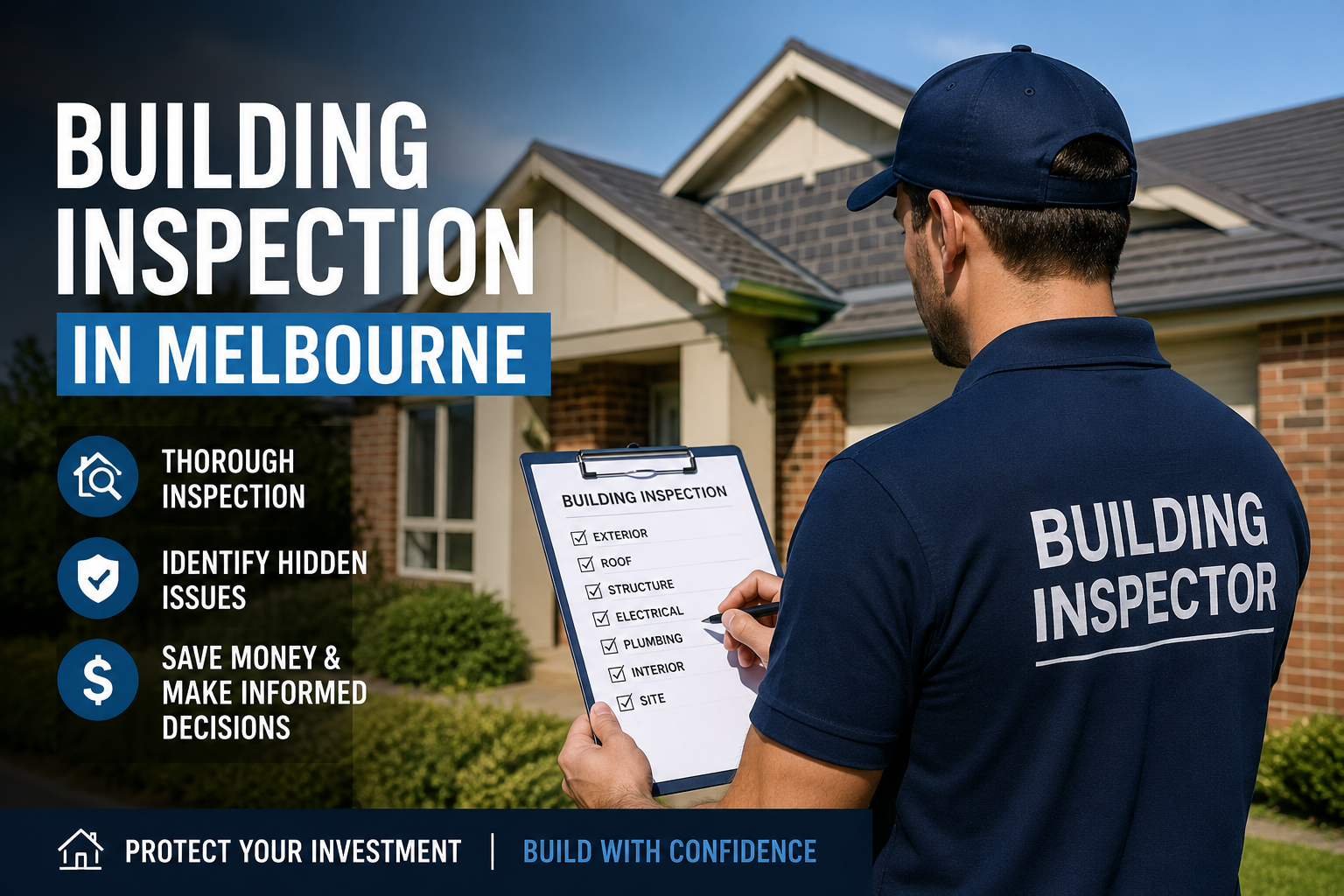
Whether you are purchasing an established house, townhouse, apartment or newly built property, arranging a pre-purchase building inspection in Melbourne can help you make a more informed decision. It provides an independent assessment of the property’s accessible areas and highlights defects or maintenance concerns that may require attention.
Melbourne properties vary considerably in age, construction style and condition. Older homes may have deteriorating timber, ageing roofs and drainage concerns, while newer properties can still contain construction defects or incomplete work.
Understanding what an inspection covers, when to arrange one and how to interpret the report can help you avoid unexpected repair costs and approach your property purchase with greater confidence.
1. What Is a Pre-Purchase Building Inspection?
A pre-purchase building inspection is a professional visual assessment of a property’s accessible structural and building components before a prospective buyer completes the purchase.
The purpose is to identify visible defects, safety concerns, deterioration and maintenance issues that could affect the property’s condition or require future repairs.
A professional pre-purchase building inspector generally assesses:
-
Internal walls, ceilings and floors.
-
External walls, brickwork and cladding.
-
Roof coverings and accessible roof spaces.
-
Foundations and accessible subfloor areas.
-
Windows, doors and visible structural components.
-
Bathrooms, kitchens and other wet areas.
-
Gutters, downpipes and visible drainage conditions.
-
Garages, carports and other included structures.
The inspector documents the findings in a written report, generally supported by photographs and explanations of identified defects.
A building inspection is usually a visual assessment rather than an invasive investigation. Concealed areas, inaccessible spaces and specialised systems may require separate assessments.
For Melbourne property buyers, the inspection provides useful information about the condition of a home before making a financial commitment.
2. Why Is a Pre-Purchase Building Inspection Important in Melbourne?
A property can look attractive during an open inspection but still have underlying problems that are difficult to identify without professional assessment.
Fresh paint, renovated bathrooms and modern flooring do not necessarily indicate that the building is structurally sound or free from moisture damage.
A professional building inspection in Melbourne helps buyers understand the condition of the property beyond its appearance.
Here are some important reasons to arrange one.
Identify Hidden Building Defects
Some building defects develop gradually and may remain unnoticed for years.
An inspection may identify:
-
Cracks in walls, ceilings and brickwork.
-
Roof leaks and damaged roof coverings.
-
Water penetration and dampness.
-
Deteriorating timber components.
-
Uneven or sloping floors.
-
Poor drainage around the building.
-
Deterioration in accessible subfloor areas.
Identifying these concerns before purchasing gives buyers an opportunity to investigate their potential impact.
Understand Future Maintenance Costs
Not every defect is a major structural problem. However, even minor defects can require ongoing maintenance.
A building inspection report helps distinguish between issues that need immediate attention and those that may require monitoring or future maintenance.
Make an Informed Purchasing Decision
The report provides documented information that can help you decide whether to proceed, seek further specialist advice or reconsider the purchase.
Consumer Affairs Victoria recommends considering a professional building inspection before signing a contract of sale. It also advises buyers to obtain their own independent report rather than relying on an inspection report supplied by the seller or real estate agent.
Consumer Affairs Victoria+1
Support Property Price Negotiations
If significant defects are identified, the findings may provide useful information when discussing the purchase price or requesting repairs.
However, any negotiation or contractual decision should be considered with advice from your conveyancer or solicitor.
3. What Does a Pre-Purchase Building Inspection Include?
A pre-purchase home inspection in Melbourne generally covers the property’s visible and accessible areas. The precise inspection scope depends on the building type, age, construction and accessibility.
Here are the main areas commonly assessed.
Internal Areas
The inspector examines accessible internal areas for visible signs of deterioration and damage.
These include:
-
Walls and ceilings.
-
Floor surfaces.
-
Doors and windows.
-
Skirting boards.
-
Kitchens and bathrooms.
-
Laundry areas.
-
Visible signs of water damage.
Cracks, stains, bubbling paint, uneven floors and deteriorating finishes may indicate underlying problems that need further investigation.
Roof and Roof Space
The roof is an important part of the building because damage can allow water to enter and affect internal components.
Where safely accessible, the inspection may include:
-
Roof coverings and tiles.
-
Visible roof framing.
-
Roof trusses and supports.
-
Signs of water penetration.
-
Roof space moisture.
-
Gutters and downpipes.
-
Visible flashing deterioration.
A roof cavity that cannot be accessed should be recorded as an inspection limitation.
Subfloor and Foundation Areas
Older Melbourne homes may have suspended timber floors, stumps and brick piers.
Where accessible, the inspector may look for:
-
Deteriorating timber.
-
Damaged floor supports.
-
Moisture accumulation.
-
Poor ventilation.
-
Signs of timber decay.
-
Visible foundation movement.
These areas are particularly important because some defects may not be noticeable from inside the living spaces.
External Areas
External inspections help identify visible deterioration and conditions that could affect the property.
Common areas include:
-
External brickwork and mortar.
-
Wall cladding.
-
Windows and external doors.
-
Driveways and pathways.
-
Decks and verandahs.
-
Garages and carports.
-
Retaining walls within the inspection scope.
-
Visible surface drainage.
The inspector may also identify water pooling or drainage conditions that could contribute to moisture problems.
4. Common Building Defects Found During Property Inspections
Building defects can occur in properties of any age. However, the type and severity of defects can vary depending on construction methods, maintenance history and environmental conditions.
The following are some common issues that a pre-purchase building inspector may identify.
| Building defect | Potential concern |
|---|---|
| Wall cracks | Movement, settlement or deterioration |
| Roof leaks | Water penetration and timber damage |
| Rising damp | Moisture affecting walls and finishes |
| Mould and mildew | Excessive moisture or ventilation problems |
| Uneven floors | Possible movement or damaged supports |
| Timber decay | Deterioration of structural or non-structural timber |
| Damaged gutters | Water overflow and drainage problems |
| Poor subfloor ventilation | Moisture accumulation and timber deterioration |
| Damaged brickwork | Possible structural or maintenance concerns |
| Faulty drainage | Water pooling around the building |
Structural Cracks
Cracks in walls and brickwork can develop for different reasons, including building movement, settlement and material deterioration.
Not every crack indicates a serious structural issue. However, significant, widening or unusual cracks may require assessment by a structural engineer.
Moisture and Water Damage
Moisture problems can affect walls, ceilings, floors and other building components.
Common warning signs include peeling paint, water stains, mould growth, swollen timber and damaged flooring.
Roof Deterioration
Damaged tiles, deteriorating flashing, leaking gutters and roof defects can allow water to enter the building.
If these problems are not addressed, they may contribute to further deterioration.
Timber Deterioration
Timber components can deteriorate through prolonged moisture exposure, fungal decay or timber pest activity.
A dedicated pest inspection may be required to assess evidence of termites and other timber pests.
Consumer Affairs Victoria identifies issues such as sloping floors, damp brickwork, cracked walls, mould, fretting mortar and damaged roof tiles as warning signs buyers should pay attention to.
Consumer Affairs Victoria+1
5. Why Melbourne Properties Need Professional Building Inspections
Melbourne has a diverse property market, ranging from older weatherboard houses and brick homes to modern apartments, townhouses and newly constructed properties.
Each property type can present different inspection considerations.
Older Melbourne Homes
Established properties may have ageing building materials, older roof coverings, timber floor structures and previous renovations.
A professional inspection can help identify visible deterioration and maintenance concerns.
Moisture and Drainage Concerns
Water penetration and poor drainage can affect buildings over time.
Inspectors may look for visible evidence of:
-
Water pooling near foundations.
-
Damaged gutters and downpipes.
-
Damp internal walls.
-
Deteriorating external materials.
-
Moisture in bathrooms and laundries.
Renovated Properties
A renovated property may have an attractive appearance, but cosmetic improvements do not necessarily resolve underlying building defects.
Buyers should pay attention to the quality and condition of visible building components.
Consumer Affairs Victoria also recommends checking the Section 32 statement and contacting the relevant local council about planning or building permits for renovations and extensions.
Consumer Affairs Victoria
Newer Properties
Newer homes can also have defects, including incomplete work, damaged finishes, drainage concerns and construction issues.
A professional assessment can help buyers understand the condition of the accessible building components.
6. What Is the Difference Between a Building Inspection and a Pest Inspection?
A building inspection and a pest inspection assess different aspects of a property.
A building inspection focuses on the visible condition of the building, while a pest inspection looks for evidence of timber pests, including termites, borers and timber decay.
For buyers who want a broader assessment, arranging both inspections together can provide a more complete understanding of the property’s condition.
| Building inspection | Pest inspection |
|---|---|
| Assesses visible building defects | Assesses timber pest activity |
| Checks walls, ceilings and floors | Checks accessible timber components |
| Looks for roof and moisture problems | Looks for termite evidence |
| Identifies visible structural concerns | Identifies timber pest damage |
| Records maintenance issues | Identifies conditions conducive to infestation |
Why Should You Combine Both Inspections?
A building inspection may identify deteriorating timber, moisture problems or damage that requires further investigation.
However, a standard building inspection is not a substitute for a dedicated timber pest inspection.
A combined building inspection and pest inspection can help buyers understand both the building’s visible condition and any evidence of timber pest activity.
The Building and Plumbing Commission recommends that buyers engage a properly qualified, experienced and insured pest inspector before purchasing a house.
Building and Plumbing Commission
7. When Should You Arrange a Building Inspection Before Buying?
Ideally, arrange the inspection before signing an unconditional contract or bidding at auction.
The timing is particularly important in Victoria because cooling-off rights differ depending on the type of property sale.
Before a Private Sale
If you are purchasing through a private sale, consider arranging the inspection before signing the contract or negotiating an appropriate inspection condition with your conveyancer.
Consumer Affairs Victoria explains that a private-sale contract can include conditions relating to the successful completion of a building or pest inspection.
Consumer Affairs Victoria
Before an Auction
If you intend to bid at auction, arrange the inspection before auction day.
Do not assume you will be able to withdraw from the purchase because defects are discovered afterwards.
In Victoria, the usual cooling-off period does not apply to properties purchased at public auction or within three clear business days before or after a public auction, subject to the applicable legal rules.
Consumer Affairs Victoria+1
Before Settlement
If you have already signed the contract, a pre-settlement inspection may help identify changes to the property’s condition before settlement.
However, this is different from a pre-purchase inspection and does not replace the due diligence that should be completed before committing to buy.
8. How to Choose a Qualified Building Inspector in Melbourne
Choosing the right inspector is important because the quality and scope of the inspection can affect how useful the report is.
Before booking a pre-purchase building inspector, consider the following factors.
Relevant Qualifications and Experience
Ask about the inspector’s construction and inspection background, relevant qualifications and experience with similar properties.
For Victorian building practitioners, check the applicable registration requirements and verify any registration claimed by the inspector through the Building and Plumbing Commission.
Professional Indemnity Insurance
Ask whether the inspection provider holds appropriate professional indemnity insurance.
Consumer Affairs Victoria specifically recommends using an inspection service with professional indemnity insurance.
Consumer Affairs Victoria
Detailed Written Reports
A useful report should explain the findings in straightforward language.
Look for reports that include:
-
Photographs of identified defects.
-
Descriptions of the problems.
-
Their location within the property.
-
Inspection limitations.
-
Recommendations for further investigation where necessary.
Clear Inspection Scope
Before booking, ask what areas and structures are included.
Confirm whether the service includes a timber pest assessment or whether this must be arranged separately.
Independent Inspection Service
Choose an independent inspector who works for your interests as the prospective buyer.
Do not automatically rely on reports arranged by the seller or real estate agent.
9. How Much Does a Pre-Purchase Building Inspection Cost in Melbourne?
The cost of a pre-purchase building inspection in Melbourne depends on the property size, construction type, age, accessibility and inspection requirements.
A combined building and pest inspection generally costs more than a building-only assessment because it involves an additional timber pest inspection.
As an indicative 2026 guide, combined inspection prices may range from approximately $450 to $900 or more. Actual quotes vary between providers and properties.
RACV+1
The following factors can influence the final price:
-
Property size: Larger homes generally require more inspection time.
-
Property age: Older homes may have additional areas requiring attention.
-
Construction type: Different materials and building designs can affect inspection complexity.
-
Accessibility: Restricted roof spaces and subfloors can affect the scope.
-
Additional structures: Garages, sheds and extensions may require additional assessment.
-
Pest inspection: A combined inspection includes a separate timber pest assessment.
When comparing quotes, do not focus on price alone. Check the inspection scope, report quality, insurance coverage and the inspector’s relevant experience.
For a property-specific quote, contact Point Building Inspections.
10. What Happens After Receiving the Building Inspection Report?
Receiving the inspection report is an important part of the property-buying process.
However, understanding the findings is just as important as arranging the inspection.
Here is what you should do next.
Review the Identified Defects
Start by reading the report carefully.
Pay particular attention to:
-
Major defects.
-
Safety hazards.
-
Moisture problems.
-
Structural concerns.
-
Timber deterioration.
-
Areas requiring further investigation.
Understand the Severity of Each Issue
Not every defect requires immediate repair.
Some problems may involve routine maintenance, while others may require specialist assessment or significant rectification.
Obtain Specialist Advice
If the report identifies concerns that fall outside the inspection scope, consider obtaining advice from an appropriate specialist.
This may include:
-
Structural engineers.
-
Licensed plumbers.
-
Licensed electricians.
-
Roofing specialists.
-
Waterproofing specialists.
-
Qualified pest inspectors.
Discuss Your Options With Your Conveyancer
If significant defects are identified, discuss the report with your conveyancer or solicitor.
Depending on the contract and circumstances, you may consider negotiating the purchase price, requesting repairs or reconsidering the purchase.
Keep the Report for Future Reference
If you proceed with the purchase, keep the report as part of your property records.
It can help you plan future maintenance and monitor previously identified issues.
11. Benefits of Hiring Professional Building Inspection Services in Melbourne
A professional inspection provides useful information that may not be available during an ordinary property viewing.
The main benefits include:
-
Better purchasing decisions: Understand the property’s condition before committing.
-
Early defect identification: Identify visible problems before they become your responsibility.
-
Improved financial planning: Understand potential maintenance and repair requirements.
-
Pest awareness: Identify evidence of termites and other timber pests through a dedicated pest assessment.
-
Negotiation support: Use documented findings when discussing the purchase with the seller.
-
Greater transparency: Receive an independent written assessment.
-
Future maintenance planning: Keep a record of defects and recommended actions.
At Point Building Inspections, buyers can explore professional pre-purchase building inspection services in Melbourne and combined building and pest inspection services to understand the available inspection options.
12. Frequently Asked Questions About Building Inspection and Pest Inspection in Melbourne
1. What is included in a pre-purchase building inspection in Melbourne?
A pre-purchase building inspection generally covers accessible internal and external building areas, including walls, ceilings, floors, roof spaces, subfloors, windows, doors and visible drainage conditions. The inspector documents visible defects, deterioration, safety concerns and inspection limitations in a written report.
2. How much does a pre-purchase building inspection cost in Melbourne?
The cost depends on property size, age, construction type and accessibility. A combined building and pest inspection may cost approximately $450 to $900 or more in 2026. Request an individual quote to confirm the actual cost for your property.
3. How long does a building inspection take?
A standard residential building inspection may take approximately 1.5 to 3 hours, depending on the property’s size, design, condition and accessibility. Larger or more complex properties may require additional time.
4. Should I get a building inspection before buying a house?
Yes. A professional building inspection can help identify visible structural defects, moisture concerns, roof problems and maintenance issues before you purchase. It is particularly useful when buying an established property or a home with previous renovations.
5. Can I negotiate the property price after a building inspection?
Yes, you may be able to negotiate based on significant defects identified in the report. However, whether you can negotiate, request repairs or withdraw depends on the contract terms and applicable legal rights. Speak with your conveyancer or solicitor before making a decision.
6. What happens if the building inspection identifies major defects?
The inspector should explain the identified defects and recommend further investigation where appropriate. You may obtain specialist reports or repair estimates before deciding whether to proceed, negotiate or reconsider the purchase.
7. Who pays for the building inspection?
Generally, the prospective buyer arranges and pays for their own independent pre-purchase building inspection. This allows the buyer to choose the inspection provider and receive a report prepared for their own purchasing decision.
8. Is a building inspection different from a pest inspection?
Yes. A building inspection assesses visible building defects and maintenance concerns, while a pest inspection looks for evidence of termites and other timber pests. A combined inspection provides both assessments.
9. How do I choose a reliable building inspector in Melbourne?
Look for an inspector with relevant qualifications, suitable experience, professional indemnity insurance and a clear inspection scope. Ask for a sample report and check that the service includes detailed photographs and explanations of identified defects.
10. Can I attend the building inspection?
Ask your inspection provider whether you can attend. Attending can help you understand the property’s condition and ask questions about visible findings. However, the written inspection report should remain the main record of the assessment.
Conclusion: Arrange a Professional Building Inspection Before Buying in Melbourne
Buying a property is a major financial decision, and understanding its condition before committing can help you avoid unexpected problems.
A professional building inspection and pest inspection provides valuable information about visible structural defects, moisture concerns, roof deterioration, timber damage and evidence of pest activity.
Whether you are purchasing an established house, townhouse or apartment, arranging a pre-purchase building inspection in Melbourne can help you make a more informed decision.
At Point Building Inspections, we provide professional property inspection services to help buyers understand the condition of their prospective properties.
Planning to purchase a property in Melbourne?
Contact Point Building Inspections to discuss your inspection requirements and arrange a professional assessment before making your next property decision.
-
Phone: (+61) 423 250 213
-
Email: info@pointbuildinginspections.com.au