
Pre-Purchase Building Inspection in Melbourne: Everything You Need to Know Before Buying a Property

Building Inspection in Melbourne: What Buyers Need to Know Before They Sign or Bid
November 19, 2026
Pre Purchase Building Inspection in Melbourne
November 19, 2026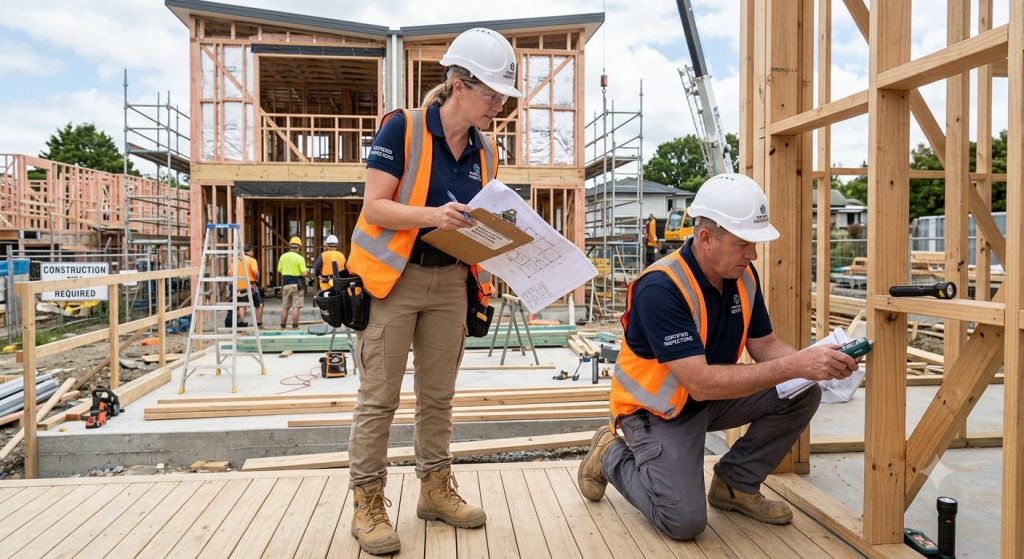
Buying a property in Melbourne is a significant financial commitment. Whether you are purchasing your first home, investing in residential property or upgrading to a larger house, understanding the property’s actual condition before signing a contract is essential. While a property may look attractive during an open inspection, hidden structural defects, water damage, roof problems or termite activity can lead to unexpected repair expenses.
A professional building and pest inspection Melbourne service helps property buyers identify potential problems before committing to a purchase. It provides an independent assessment of the property’s visible condition, highlights defects that may require attention and helps buyers make informed decisions.

Sanitation worker in protective suit doing disinfection of an outdoor cafe due to coronavirus pandemic.
From older Victorian homes and weatherboard houses to modern apartments, townhouses and newly renovated properties, every building has different inspection requirements. A professional pre-purchase building and pest inspection can help you understand these risks, plan your maintenance budget and negotiate with greater confidence.
In this guide, we explain everything Melbourne property buyers should know about building inspections, including what inspectors check, common building defects, inspection costs, Australian Standards and how to choose the right inspection professional.
1. What Is a Pre-Purchase Building Inspection?
A pre-purchase building inspection is an independent assessment of a property’s visible condition before a buyer completes a property purchase. A qualified building inspector examines accessible areas of the building to identify major defects, minor defects, structural concerns, safety issues and maintenance requirements.
The inspection generally follows the principles of AS 4349.1-2007, Inspection of Buildings – Pre-Purchase Inspections – Residential Buildings.
The purpose is to give prospective buyers a clearer understanding of the property’s condition before making a financial commitment.
What Is the Purpose of a Pre-Purchase Inspection?
A professional inspection helps buyers:
- Identify visible structural problems before purchasing.
- Understand the condition of the roof, walls, ceilings and floors.
- Detect signs of water penetration and moisture damage.
- Identify defective building materials and poor workmanship.
- Understand potential repair and maintenance requirements.
- Identify areas requiring further specialist investigation.
- Make more informed purchasing and negotiation decisions.
For example, a house might have recently painted walls, renovated bathrooms and attractive flooring. However, these cosmetic improvements do not necessarily indicate that the underlying structure is in good condition.
An inspection may identify cracks, concealed-looking moisture indicators, damaged roof materials or other visible warning signs that deserve further investigation.
Important: A standard pre-purchase inspection is generally visual and non-invasive. It does not guarantee that every hidden defect will be discovered or that the property is completely free from problems.
2. Why Is a Pre-Purchase Building Inspection Important in Melbourne?
Melbourne has a diverse residential property market, with properties ranging from heritage homes and established weatherboard houses to modern townhouses and high-rise apartments.
Each property type presents different maintenance and building risks. A professional inspection helps buyers understand these risks before purchasing.
Here are some important reasons to arrange a pre-purchase building inspection in Melbourne.
Identify Expensive Structural Problems
Structural problems can affect a property’s stability, safety and long-term value.
An inspector may identify visible warning signs such as:
- Large or stepped cracks in brickwork.
- Uneven or sloping floors.
- Signs of movement around windows and doors.
- Damaged roof structures.
- Deteriorating foundations.
- Cracked concrete slabs.
Not every crack indicates a serious structural problem. However, unusual cracking, movement or distortion may require assessment by a structural engineer.
Detect Water Damage and Moisture Problems
Melbourne experiences periods of rainfall, changing temperatures and damp conditions. Poor drainage, leaking roofs and inadequate waterproofing can contribute to moisture-related building problems.
An inspection can help identify visible signs such as:
- Damp patches on internal walls.
- Water stains on ceilings.
- Peeling paint and bubbling plaster.
- Mould growth.
- Deteriorated bathroom sealants.
- Water penetration around windows.
Identifying these problems early can help buyers avoid unexpected maintenance expenses.
Understand the Property’s Actual Condition
A property can look attractive because of recent renovations or cosmetic improvements.
However, fresh paint, new flooring and modern fixtures do not necessarily mean that the building’s underlying components are in good condition.
A professional inspection provides an independent assessment rather than relying entirely on the property’s appearance or the seller’s description.
Make Better Property Negotiation Decisions
If the inspection identifies significant defects, buyers may use the findings to discuss the purchase price or request repairs, subject to the contract terms and the seller’s agreement.
For example, if an inspection identifies roof deterioration or significant water damage, the buyer can obtain further advice about potential repair costs before deciding how to proceed.
A building inspection does not automatically give a buyer the right to renegotiate or withdraw. Those rights depend on the contract and applicable Victorian property laws.
3. What Does a Pre-Purchase Building Inspection Include?
A professional pre-purchase building inspection covers the accessible areas of a residential property, both internally and externally. The inspector examines the building’s general condition and documents visible defects that may affect its safety, functionality or structural performance.
The exact inspection scope depends on the property type, accessibility and the agreement between the buyer and inspection provider.
Areas Typically Covered During an Inspection
| Inspection Area | What the Inspector Checks |
|---|---|
| Roof exterior | Damaged roof tiles, rust, leaks and deteriorated roofing materials |
| Roof space | Visible roof framing, moisture, timber damage and ventilation concerns |
| External walls | Cracks, damaged cladding, deteriorating brickwork and water penetration |
| Internal walls | Cracking, dampness, movement and damaged plaster |
| Ceilings | Water stains, sagging, cracks and visible deterioration |
| Floors | Uneven surfaces, movement, damaged flooring and other visible defects |
| Windows and doors | Damaged frames, operation, seals and visible deterioration |
| Bathrooms | Waterproofing warning signs, leaking taps, damaged tiles and deteriorated grout |
| Kitchen and laundry | Visible plumbing leaks, damaged fittings and moisture concerns |
| Subfloor | Accessible structural timber, moisture, ventilation and visible damage |
| Drainage | Surface drainage, water accumulation and visible drainage concerns |
| External structures | Garages, decks, balconies, fences and other accessible structures |
Does a Building Inspection Include Plumbing and Electrical Checks?
A standard building inspection generally includes a visual assessment of accessible plumbing and electrical components where these fall within the agreed inspection scope.
However, it is not a substitute for specialist plumbing or electrical inspections.
For example, an inspector may identify visible water leaks, damaged electrical fittings or an outdated-looking switchboard. A licensed electrician or plumber may be required to investigate the issue further and confirm whether repairs or upgrades are necessary.
Does the Inspector Check the Roof and Subfloor?
Yes, accessible roof spaces and subfloor areas are generally important parts of a pre-purchase building inspection.
Inspectors may look for:
- Damaged roof framing.
- Signs of roof leaks.
- Timber deterioration.
- Inadequate ventilation.
- Moisture accumulation.
- Visible termite damage.
- Deteriorated supporting structures.
However, restricted access, insulation, stored belongings and other obstructions can prevent a complete visual assessment.
Buyers should ask whether any areas could not be inspected and whether additional investigation is recommended.
4. Common Building Defects Found During Property Inspections
Building defects can range from minor maintenance issues to serious structural problems. Identifying these issues before purchasing a property helps buyers understand the work that may be required.
The following are some common problems that a building inspector may identify in Melbourne properties.
1. Structural Cracks
Cracks in walls, ceilings and brickwork can develop due to settlement, foundation movement, temperature changes or construction-related issues.
Small hairline cracks are not necessarily serious. However, large cracks, stepped cracks in brickwork and cracks accompanied by uneven floors or sticking doors may indicate more significant movement.
Further investigation by a structural engineer may be appropriate.
2. Roof Leaks and Roofing Damage
Roofing problems can lead to water penetration, ceiling damage and deterioration of internal building materials.
Common warning signs include:
- Broken or displaced roof tiles.
- Corroded metal roofing.
- Damaged flashing.
- Blocked gutters.
- Deteriorated roof valleys.
- Water stains inside the property.
Roof defects should be addressed before they cause further damage.
3. Rising Damp and Moisture Problems
Rising damp occurs when moisture moves upwards through porous building materials from the ground.
It can contribute to:
- Damaged plaster.
- Peeling paint.
- Salt deposits on walls.
- Deteriorating skirting boards.
- Unpleasant indoor smells.
Poor drainage, damaged damp-proof courses and landscaping built up against external walls can contribute to moisture problems.
4. Bathroom Waterproofing Issues
Bathrooms are exposed to regular moisture, making waterproofing and sealing particularly important.
Potential warning signs include:
- Cracked or missing grout.
- Deteriorated silicone sealant.
- Loose bathroom tiles.
- Water damage around showers.
- Dampness in adjoining rooms.
- Leaking shower screens.
A visual inspection can identify warning signs, but confirming the condition of concealed waterproofing generally requires further investigation.
5. Timber Deterioration and Termite Damage
Timber deterioration may result from moisture exposure, fungal decay or timber pest activity.
Possible signs include soft timber, damaged floorboards, deteriorating door frames and weakened structural timber.
A dedicated timber pest inspection is important because termite activity can remain concealed behind walls, flooring and other building components.
6. Poor Drainage and Foundation Movement
Inadequate drainage can allow water to accumulate around the building’s foundations.
Changing soil moisture conditions can contribute to foundation movement, particularly where reactive soils are involved.
The Victorian Building and Plumbing Commission identifies changing soil moisture, tree roots and soil settlement among the potential causes of foundation movement.
A professional inspection can identify visible warning signs and recommend further assessment where necessary.
5. Why Melbourne Properties Need Professional Building Inspections
Melbourne’s residential properties have different construction styles, ages and environmental conditions. Understanding these differences is important when assessing a property’s condition.
Here are some property-specific considerations.
Older Victorian and Edwardian Homes
Older homes can offer architectural character, but buyers should pay attention to:
- Deteriorating roof materials.
- Ageing plumbing systems.
- Timber decay.
- Foundation movement.
- Damaged brickwork.
- Outdated building alterations.
- Moisture penetration.
Properties built before 1990 may also contain asbestos-containing materials. An ordinary building inspection does not confirm whether a material contains asbestos. A specialist assessment and laboratory testing may be needed.
Weatherboard Properties
Weatherboard homes require particular attention to external timber components.
Inspectors may look for:
- Rotting weatherboards.
- Damaged external paint.
- Moisture penetration.
- Timber decay around windows.
- Deteriorating supporting structures.
- Signs of termite activity.
Poorly maintained external timber can allow moisture to enter the building and contribute to further deterioration.
Modern Townhouses and Apartments
Newer properties are not automatically free from defects.
Potential inspection concerns include:
- Poor waterproofing.
- Balcony drainage problems.
- Cracking around windows.
- Defective sealants.
- Roof drainage issues.
- Incomplete renovation work.
- Visible construction defects.
For apartments, buyers should also consider common property, owners corporation records, maintenance obligations and relevant building documentation. These matters require checks beyond a standard individual apartment inspection.
Melbourne’s Weather and Drainage Conditions
Periods of rainfall, changing temperatures and local drainage conditions can affect buildings over time.
Properties with inadequate stormwater drainage, poorly maintained gutters or insufficient ground clearance may be more vulnerable to moisture-related problems.
Buyers should pay particular attention to the property’s external drainage, roof condition and signs of water penetration.
6. What Is the Difference Between a Building Inspection and a Pest Inspection?
A building inspection and a pest inspection serve different purposes. A building inspection assesses the visible condition of the property’s building components, while a timber pest inspection focuses on termites, borers, timber decay and conditions that may encourage timber pest activity.
A combined inspection provides a broader assessment before purchasing a property.
| Comparison | Building Inspection | Timber Pest Inspection |
|---|---|---|
| Main purpose | Identify building defects | Identify timber pest activity and risks |
| Structural concerns | Yes, visible defects | Timber-related damage |
| Roof inspection | Accessible roof components | Accessible timber and pest-risk areas |
| Termite activity | Not a dedicated assessment | Yes |
| Timber decay | Visible building deterioration | Timber pest-related decay assessment |
| Moisture concerns | Yes | Yes, particularly pest-conducive conditions |
| Main standard | AS 4349.1 | AS 4349.3 |
Why Should You Consider a Combined Building and Pest Inspection?
A combined inspection is particularly useful when purchasing older homes, weatherboard properties, houses with timber flooring or properties with accessible subfloor areas.
For example, an inspector may identify moisture accumulation around a timber structure. This could indicate a maintenance problem while also creating conditions that increase the risk of timber pest activity.
Having both inspections completed together can provide a more complete understanding of the property’s condition.
The Victorian Building and Plumbing Commission recommends engaging a properly qualified, experienced and insured pest inspector before buying a house.
7. When Should You Arrange a Building Inspection Before Buying?
The best time to arrange a pre-purchase building inspection is before signing an unconditional contract or committing to an auction purchase.
The timing is particularly important in Victoria because property purchasing conditions differ between private sales and auctions.
Before a Private Sale
For a private sale, buyers can request a contract condition requiring a satisfactory building inspection report, subject to the seller agreeing to the condition.
Discuss the wording with your conveyancer or property lawyer before signing.
Victoria generally provides a three-clear-business-day cooling-off period for eligible private residential property purchases, subject to exceptions.
However, buyers should not rely on this period as a substitute for completing due diligence before signing.
Before a Property Auction
If you plan to purchase a property at auction, arrange the inspection before auction day.
In Victoria, auction purchases generally have no cooling-off period. Buyers also cannot automatically make the contract conditional on obtaining a satisfactory building inspection.
This means you should understand the property’s condition before placing a bid.
Recommended Inspection Timeline
| Stage | Recommended Action |
|---|---|
| Property shortlisted | Review the property and arrange an inspection |
| Before making an offer | Obtain the building and pest report where possible |
| Before signing | Discuss inspection findings with your conveyancer |
| Before auction | Complete inspections and review the report |
| Before settlement | Arrange any additional specialist assessments if required |
Practical tip: If you are interested in a property, contact a building inspector early. This gives you more time to arrange an inspection and review the findings before important purchasing deadlines.
8. How to Choose a Qualified Building Inspector in Melbourne
Choosing the right inspector is just as important as arranging the inspection itself.
A low-cost inspection may not provide the level of detail, professional experience or reporting you need when making a major financial decision.
Consider the following factors before booking.
1. Check Qualifications and Registration
Ask about the inspector’s building qualifications, relevant experience and professional registration.
You can use the Victorian Building and Plumbing Commission’s official register and guidance to check relevant building practitioner registration details.
Importantly, registration requirements can differ depending on the type of building work or inspection service being provided. Do not assume that every pre-purchase inspection provider must hold the same registration category.
2. Check Professional Indemnity Insurance
Professional indemnity insurance is an important consideration when choosing an inspection provider.
Consumer Affairs Victoria recommends using an inspection service with professional indemnity insurance.
Ask for confirmation of the provider’s insurance arrangements before booking.
3. Understand the Inspection Scope
Before confirming an appointment, ask what the inspection includes.
Check whether the provider covers:
- Internal and external building areas.
- Accessible roof spaces.
- Accessible subfloor areas.
- Structural warning signs.
- Moisture-related concerns.
- Timber pest activity, if included.
- Garages and external structures.
- A written inspection report.
4. Review a Sample Inspection Report
A professional report should be easy to understand and provide useful information.
Look for:
- Clear descriptions of identified defects.
- Supporting photographs.
- Identification of major and minor defects.
- Details of inaccessible areas.
- Recommendations for further investigation.
- Practical maintenance observations.
5. Check Independence
Choose an inspector who works independently of the seller and selling agent.
Your inspector should provide an objective assessment rather than simply confirm the property’s advertised condition.
6. Ask About Report Turnaround Time
Property transactions can move quickly, particularly when auction dates are approaching.
Ask when you will receive the written report and whether the inspector can discuss important findings with you.
An inspection report is most useful when you have enough time to understand its findings before making your purchasing decision.
9. How Much Does a Pre-Purchase Building Inspection Cost in Melbourne?
The cost of a pre-purchase building inspection in Melbourne depends on the property’s size, age, construction type, location, accessibility and inspection requirements.
As an indicative 2026 guide, a standard building inspection may cost approximately $300–$550, while a combined building and pest inspection may range from approximately $450 to $900 or more.
The actual fee will depend on the inspection provider and the property being assessed.
Estimated Building Inspection Costs
| Inspection Type | Indicative Cost |
|---|---|
| Building inspection | $300–$550 |
| Timber pest inspection | $300–$550 |
| Combined building and pest inspection | $450–$900+ |
| Larger or complex properties | Custom quotation |
These are indicative market ranges, not fixed industry prices. Confirm the final quotation, GST and inspection scope with your provider.
What Factors Affect Inspection Costs?
Several factors can influence the final inspection fee.
Property size: Larger properties generally require more inspection time.
Property age: Older properties may require additional attention to structural components, roofing, moisture and timber deterioration.
Building type: Apartments, townhouses, detached houses and multi-storey properties have different inspection requirements.
Accessibility: Restricted roof spaces, difficult subfloor access and obstructed areas can affect inspection arrangements.
Location: Properties outside the provider’s standard service area may attract additional travel charges.
Are Affordable Building Inspection Services in Melbourne Worth It?
Yes, affordable building inspection services Melbourne buyers can access may provide excellent value, provided the inspection meets the required professional standards and includes an appropriate written report.
However, choosing an inspector based entirely on price is not recommended.
Before booking, compare:
- Inspection scope.
- Relevant qualifications and experience.
- Professional indemnity insurance.
- Reporting quality.
- Pest inspection inclusions.
- Additional charges.
- Report delivery timeframe.
A slightly higher inspection fee may be worthwhile if it provides a more suitable inspection scope and clearer reporting.
10. What Happens After Receiving the Building Inspection Report?
After completing the inspection, the inspector prepares a written report explaining the property’s visible condition and identifying defects that require attention.
The report helps buyers understand which issues are relatively minor and which may require professional investigation or repairs.
Understand the Defect Categories
Building inspection reports commonly identify different categories of defects.
| Defect Category | Meaning | Example |
|---|---|---|
| Major defect | A significant problem affecting the building or requiring substantial attention | Serious structural movement |
| Minor defect | A less significant issue requiring repair or maintenance | Damaged internal plaster |
| Safety concern | A visible issue that may present a safety risk | Loose handrail |
| Maintenance issue | Work required to maintain the property | Blocked gutters |
| Further investigation | An issue requiring specialist assessment | Suspected foundation movement |
The precise classifications and reporting terminology should be checked against the inspection standard and the inspector’s agreed scope.
What Should You Do If Major Defects Are Identified?
If the report identifies significant problems, do not immediately assume that you must abandon the purchase.
Instead, consider these steps:
Step 1: Discuss the findings with the inspector.
Ask for clarification about the seriousness of the defects and which areas require further attention.
Step 2: Arrange specialist investigations.
Depending on the findings, you may need a structural engineer, licensed plumber, electrician, roofer or specialist pest inspector.
Step 3: Obtain repair estimates.
Ask relevant contractors to assess the work and provide quotations.
Step 4: Discuss your options with your conveyancer.
Your conveyancer or lawyer can explain how the inspection findings relate to your contract and purchasing rights.
Step 5: Make an informed decision.
Depending on the findings and contractual arrangements, you may proceed with the purchase, negotiate with the seller or decide not to proceed where legally permitted.
Remember that an inspection report is not a pass-or-fail certificate. Its purpose is to provide information that supports your decision.
11. Benefits of Hiring Professional Building Inspection Services in Melbourne
Hiring professional building inspection services in Melbourne offers several advantages when purchasing residential property.
Better Understanding of Property Condition
An independent inspection provides a clearer picture of the property’s visible condition, including defects that may not be obvious during a standard open inspection.
Reduced Risk of Unexpected Repair Expenses
Identifying visible problems before purchasing allows buyers to investigate potential repair costs and consider them when planning their finances.
Improved Negotiation Opportunities
Where significant defects are identified, buyers may be able to use the findings to negotiate the purchase price or request repairs, depending on the seller’s agreement and contract conditions.
Greater Confidence Before Purchasing
Buying a property can involve considerable uncertainty. A professional inspection helps reduce some of that uncertainty by providing an independent assessment.
Better Long-Term Maintenance Planning
Even if you decide to purchase the property, the report can help you prioritise repairs and develop a maintenance plan.
For first-home buyers, investors and families purchasing an established home, this information can be particularly valuable.
12. Frequently Asked Questions About Building and Pest Inspections in Melbourne
1. What Is Included in a Pre-Purchase Building Inspection in Melbourne?
A pre-purchase building inspection generally covers accessible internal and external areas, including the roof, walls, ceilings, floors, windows, doors, bathrooms, kitchen, subfloor and external structures. The inspector documents visible defects, structural concerns, moisture problems and maintenance issues in a written report. The exact scope depends on the inspection agreement and accessibility.
2. How Much Does a Pre-Purchase Building Inspection Cost in Melbourne?
A standard building inspection may cost approximately $300–$550, while a combined building and pest inspection may cost around $450–$900 or more. The final price depends on property size, age, construction type, location and inspection requirements. Always request a detailed quotation before booking.
3. How Long Does a Building Inspection Take?
A typical residential building inspection may take approximately 1–2 hours on site, depending on the property’s size, condition and accessibility. Larger or more complex properties may require additional time. Preparing the written report also takes additional time, so ask the inspector when you can expect to receive it.
4. Should I Get a Building Inspection Before Buying a House?
Yes. A professional building inspection is strongly recommended before purchasing a house. It can identify visible structural defects, roof damage, moisture problems and maintenance concerns that may affect your purchasing decision. It is particularly important before bidding at auction, where there is generally no cooling-off period in Victoria.
5. Can I Negotiate the Property Price After a Building Inspection?
Yes, you can use significant inspection findings as a basis for negotiating with the seller. For example, major roof repairs or structural concerns may influence your offer. However, the seller is not automatically required to reduce the price or complete repairs. Your options also depend on the contract conditions.
6. What Happens If the Building Inspection Identifies Major Defects?
If major defects are identified, discuss them with the inspector and consider obtaining specialist assessments and repair quotations. You can then discuss your contractual options with your conveyancer or lawyer before deciding whether to proceed, negotiate or withdraw where permitted.
7. Who Pays for the Building Inspection?
In most cases, the prospective property buyer arranges and pays for their own independent building inspection. This allows the buyer to select the inspection provider and receive a report prepared for their purchasing decision.
8. Is a Building Inspection Different from a Pest Inspection?
Yes. A building inspection assesses visible building defects, while a timber pest inspection focuses on termites, borers, timber decay and conditions that may encourage pest activity. They are different inspection services, although many providers offer them together as a combined building and pest inspection.
9. How Do I Choose a Reliable Building Inspector in Melbourne?
Check the inspector’s relevant qualifications, experience, insurance, inspection scope and reporting quality. Ask for a sample report and confirm whether the inspection follows the relevant Australian Standards. Choose an independent professional who explains findings clearly and identifies areas requiring further investigation.
10. Can I Attend the Building Inspection?
Yes, many inspection providers allow buyers to attend, subject to access arrangements and the provider’s policies. Attending can help you understand the property’s condition, ask questions and see identified defects first-hand. However, the written inspection report should remain the primary record of the findings.
Conclusion: Arrange a Professional Building and Pest Inspection Before Buying in Melbourne
Purchasing a property is a major financial decision, and understanding its condition before committing can help prevent unexpected surprises.
A professional building and pest inspection Melbourne service provides valuable information about visible structural defects, moisture problems, roofing concerns, timber deterioration and potential pest activity.
Whether you are purchasing an older home, a modern townhouse, an apartment or an investment property, arranging an independent pre-purchase building and pest inspection can help you make a more informed decision.
Before signing a contract or attending an auction, take the time to understand the property’s condition, review the inspection findings and seek specialist advice where necessary.
Planning to purchase a property in Melbourne?
Arrange a professional pre-purchase building inspection to understand the property’s condition before making your next property investment. Contact an experienced inspection provider to discuss your property, inspection requirements and quotation.