Pre-Purchase Building Inspection Cost: Common Myths Home Buyers Believe

Buying a Home in Melbourne? Here’s Why You Need a Building and Pest Inspection
May 6, 2026
Pre-Purchase Home Inspection Cost in Australia: What Buyers Should Expect
May 14, 2026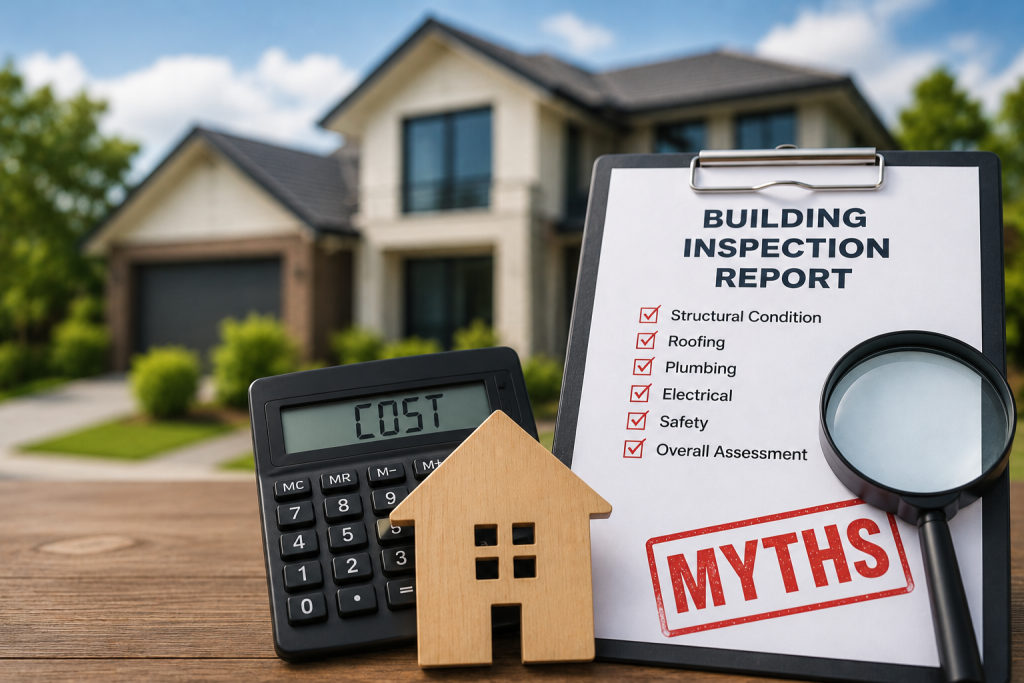
Buying a home is one of the biggest financial decisions you’ll ever make — and yet, thousands of Melbourne home buyers skip or delay their pre-purchase building inspection because of myths they’ve heard from friends, family, or even well-meaning real estate agents.
In this guide, we’re busting the most common misconceptions about pre-purchase building inspection cost in Melbourne — with honest, experience-backed insights that could save you tens of thousands of dollars down the track.
Why This Matters: The Real Cost of Skipping an Inspection
Before we dive into the myths, here’s a sobering reality. A structural defect hidden beneath a freshly painted wall or a termite colony quietly eating through a subfloor can cost between $20,000 and $80,000+ to repair. The average pre-purchase building and pest inspection cost in Melbourne? Typically between $400 and $700.
That’s not an expense. That’s an investment.
With over a decade of experience conducting pre-purchase building inspections across Melbourne — from inner-city terraces in Fitzroy to family homes in the outer eastern suburbs — I’ve seen what happens when buyers let myths drive their decisions. Let’s set the record straight.
Myth #1: “Pre-Purchase Building Inspections Are Too Expensive”
This is the most common myth, and it’s understandable. When you’re already stretching your budget for a deposit, stamp duty, legal fees, and moving costs, an additional $400–$700 can feel like a lot.
But let’s put the pre-purchase home inspection cost in perspective:
- A missed roof defect can cost $8,000–$25,000 to repair
- Undisclosed plumbing issues average $3,000–$15,000
- Termite damage — often invisible to the naked eye — can run $30,000–$100,000+
A full pre-purchase building and pest inspection in Melbourne typically costs between $450 and $750 depending on the property size, age, and location. Some inspectors offer combined building and pest reports for a slightly higher fee, which is almost always worth it.
Pro tip: Never choose your inspector based on price alone. A cheap inspection that misses a major defect is far more costly than a thorough one.
Myth #2: “New Builds Don’t Need Pre-Purchase Building Inspections”
This one surprises a lot of buyers — but new properties can and do have defects. Construction quality in Australia varies significantly, and not every builder meets the standards set out in the National Construction Code.
Common issues found in new Melbourne builds include:
- Inadequate waterproofing in bathrooms and wet areas
- Poor drainage and stormwater management
- Incomplete or non-compliant insulation
- Cracked brickwork or render from settlement
- Missing or incorrectly installed roof fixings
Getting a pre-purchase building inspection in Melbourne on a brand-new home protects you before the builder’s defect liability period expires and before you accept handover. Once you’ve signed off, your leverage drops significantly.
Myth #3: “The Vendor’s Inspection Report Is Good Enough”
In Victoria, some vendors provide a pre-prepared Section 32 and even a building report as part of the sale process. Many buyers assume this is sufficient — it isn’t.
Here’s why:
The vendor’s inspector works for the vendor. While reputable inspectors remain objective, there’s an inherent conflict of interest when a report is commissioned to facilitate a sale. A report you commission yourself, from an inspector you choose independently, answers to you.
Additionally, vendor reports may be weeks or months old by the time you’re buying. Property conditions can change — especially during Melbourne’s volatile weather seasons, when moisture intrusion, drainage failures, and pest activity can develop rapidly.
Always commission your own pre-purchase building inspection in Melbourne. It’s your right as a buyer, and it’s your best protection.
Myth #4: “You Only Need a Building Inspection, Not a Pest Inspection”
This myth is particularly dangerous in Melbourne and surrounding suburbs. While Victoria doesn’t face the same level of termite pressure as Queensland or NSW, termites are active across metropolitan Melbourne — particularly in the outer suburbs, Mornington Peninsula, and leafy inner suburbs with mature gardens.
A building inspection looks at the structural and physical condition of the property. A pre-purchase pest inspection in Melbourne specifically looks for:
- Active termite infestations
- Previous termite damage (even treated areas)
- Conducive conditions that attract pests (moisture, wood-to-soil contact)
- Borers and wood-rotting fungi
These are two separate disciplines. Many inspection companies offer a combined pre-purchase building and pest inspection in Melbourne at a package rate, which is almost always more affordable than booking separately — and far more comprehensive.
Myth #5: “Inspections Always Pass — They’re Just a Formality”
Some buyers treat the inspection as a box-ticking exercise. But a genuinely thorough inspection is anything but routine.
In my experience conducting inspections across Melbourne, the majority of properties — new or established — have at least some defects. Around 1 in 3 inspections I conduct reveal a major defect that buyers weren’t aware of. These range from serious structural movement and rising damp to illegal building works and asbestos-containing materials in pre-1990 homes.
The inspection report isn’t just for peace of mind — it’s a negotiation tool. Armed with a detailed report, buyers can:
- Renegotiate the purchase price
- Request the vendor fix issues before settlement
- Make an informed decision to walk away
- Plan for future repair costs
Myth #6: “Any Inspector Will Do — They’re All the Same”
Not all building inspectors in Melbourne hold the same qualifications or carry the same experience. In Victoria, building inspectors should be registered with the Victorian Building Authority (VBA) and carry professional indemnity insurance.
When choosing your inspector, look for:
- VBA registration (domestic building inspector or registered building practitioner)
- Membership with a recognised body such as AIBS (Australian Institute of Building Surveyors) or HIA
- Experience with the property type and era you’re purchasing
- Sample reports that are detailed, clear, and photographic
Avoid inspectors who provide one-page tick-box reports or can’t clearly explain what they found. Your pre-purchase building inspection cost should reflect a professional, independent, and comprehensive service.
What Does a Pre-Purchase Building Inspection in Melbourne Actually
Cover?
A standard inspection in Victoria should include assessment of:
- Roof — Condition of tiles, flashings, gutters, downpipes
- Structure — Foundations, walls, subfloor, framing
- Interior — Ceilings, walls, floors, doors, windows
- Exterior — Cladding, drainage, retaining walls, pathways
- Wet areas — Bathrooms, laundry, kitchen for moisture and waterproofing
- Electrical and plumbing — Visual inspection (not a licensed trade check)
- Safety hazards — Trip hazards, asbestos risk, non-compliant structures
A combined report also covers pest activity, moisture readings, and conditions conducive to infestation.
So, What Is the Pre-Purchase Building Inspection Cost in Melbourne?
Here’s a straightforward breakdown based on current Melbourne market rates:
| Property Type | Building Only | Building + Pest |
| Small apartment / unit | $350–$450 | $450–$580 |
| Average house (3–4 bed) | $450–$600 | $550–$750 |
| Large or older home | $600–$850 | $700–$1,000 |
| Acreage / rural property | $700–$1,200 | $800–$1,400 |
Prices are indicative for 2025–2026. Always request a fixed quote based on your specific property.
Final Word: Don’t Let Myths Cost You More Than the Inspection
The pre-purchase building inspection cost in Melbourne is one of the smartest investments a home buyer can make — and one of the most misunderstood.
Whether you’re buying a Federation cottage in Hawthorn, a townhouse in Doncaster, or a new build in Clyde North, an independent inspection gives you the information you need to buy with confidence — or the clarity to walk away from a costly mistake.
Don’t let myths, budget pressure, or a tight auction timeline push you into skipping this step. Commission your inspection early, choose a qualified professional, and treat the report as the foundation of your buying decision.