Pre Purchase Building Inspection in Melbourne: Everything You Need to Know Before Buying a Property

Private Building Inspection Cost in Melbourne: What Buyers Should Know ?
November 14, 2026
Building Inspection in Melbourne: What Buyers Need to Know Before They Sign or Bid
November 19, 2026Buying a property is one of the biggest financial decisions you will make. Whether you are purchasing your first home, upgrading to a larger property or investing in Melbourne’s real estate market, understanding the property’s actual condition is essential before committing to the purchase. A property may look attractive during an open inspection, but hidden structural problems, water damage, roofing defects or timber pest activity could lead to unexpected repair expenses.
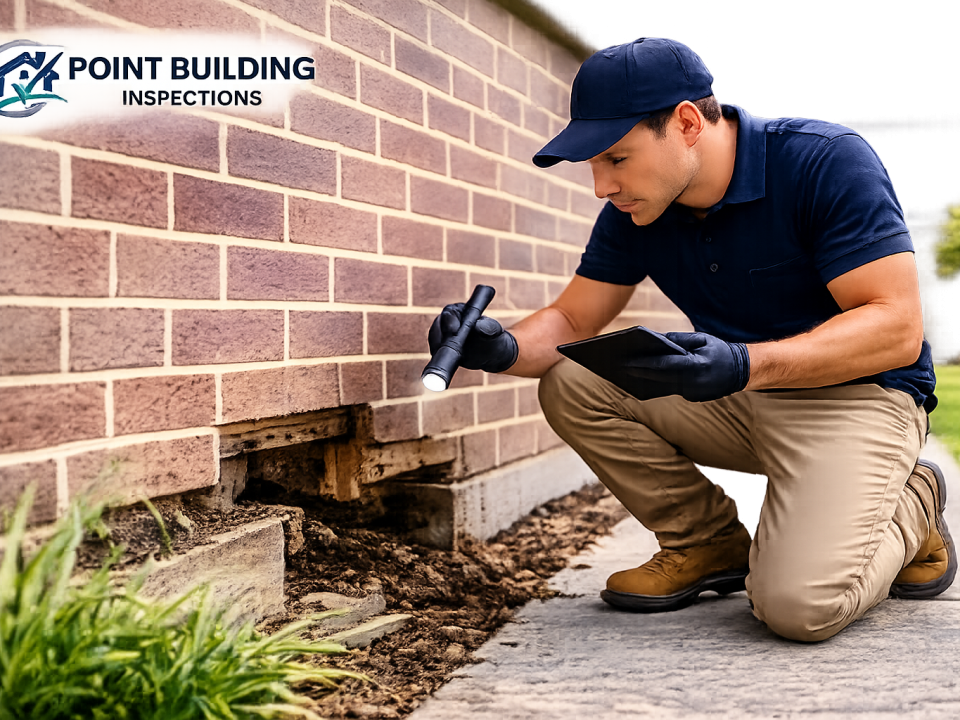
A professional Pre Purchase Building Inspection in Melbourne helps potential buyers identify visible defects and understand the general condition of a property before finalising their purchase. It provides valuable information about structural components, roofing, walls, floors, drainage and other accessible areas that may require attention.
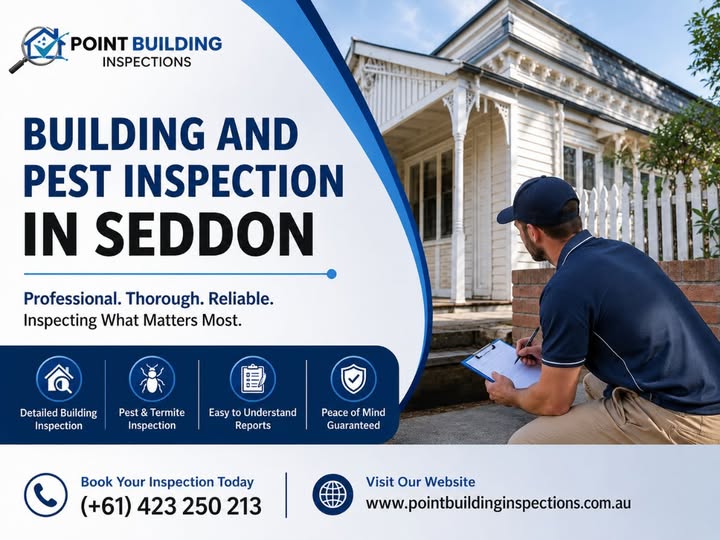
Melbourne has a diverse property market, ranging from established Victorian homes and weatherboard houses to modern townhouses, apartments and newly renovated properties. Each property type can present different maintenance and construction concerns. Arranging an independent building inspection can help you make a more informed decision, understand potential risks and plan your next steps with greater confidence.
In this guide, we explain everything you need to know about pre-purchase building inspections, what inspectors examine, common property defects, inspection costs and how to choose the right professional in Melbourne.
1. What Is a Pre Purchase Building Inspection?
A pre-purchase building inspection is a professional assessment of a property’s visible condition before a buyer completes a property purchase. It helps identify existing building defects, structural concerns, maintenance issues and other problems that may affect the property’s condition, safety or value.
A qualified and experienced building inspector examines accessible areas of the property and prepares a written report outlining the defects identified during the inspection.
The inspection generally covers:
- Internal and external walls.
- Roof coverings and accessible roof spaces.
- Ceilings and floors.
- Windows, doors and visible fittings.
- Foundations and accessible subfloor areas.
- Gutters and downpipes.
- Wet areas, including bathrooms and kitchens.
- Visible signs of water penetration and dampness.
- Drainage and external site conditions.
- Garages, sheds and other accessible structures.
The purpose is not simply to identify obvious damage. A professional inspection can also help buyers recognise less noticeable issues that may require further investigation or future maintenance.
For example, fresh paint may make a room appear recently renovated, but visible staining, damaged skirting boards or signs of moisture could indicate an underlying problem.
A detailed inspection report helps buyers understand these findings before deciding whether to proceed with the purchase.
2. Why Is a Pre Purchase Building Inspection Important in Melbourne?
A property can look perfectly maintained during an open inspection while still having defects that are difficult for an untrained person to identify.
Arranging a pre-purchase inspection gives buyers an independent assessment of the property’s visible condition and helps reduce uncertainty before making a significant financial commitment.
Here are some important reasons to arrange an inspection.
Identify Hidden Building Defects
Not every building defect is immediately visible. Problems such as roof leaks, deteriorating timber, moisture penetration and cracking may be difficult to recognise without professional knowledge.
An inspection can identify visible warning signs and recommend further specialist investigation where necessary.
Understand Potential Repair Costs
Some defects require minor maintenance, while others may involve substantial repair work.
Understanding the condition of the property can help you plan for maintenance and obtain specialist quotations before proceeding.
A building inspection report may also help you discuss the property’s condition with the seller or use the findings during price negotiations.
Make an Informed Purchasing Decision
Purchasing a property without understanding its condition can create unnecessary financial uncertainty.
A professional building inspection provides information that can help you compare properties, assess potential risks and decide whether a particular property meets your expectations.
Identify Unsafe or Unauthorised Renovations
Some properties may have undergone extensions, renovations or structural alterations.
An inspector may identify visible signs of poor workmanship, incomplete renovations or potentially unauthorised building work. Further verification of permits and approvals may be necessary through the relevant council or building authority.
Protect Your Long-Term Investment
A building inspection is not a guarantee that a property will remain defect-free. However, understanding existing problems can help buyers make better decisions about repairs, maintenance and future ownership costs.
Consumer Affairs Victoria recommends considering a professional building inspection before purchasing and obtaining an independent report rather than relying solely on a report supplied by the seller or real estate agent.
3. What Does a Pre Purchase Building Inspection Include?
The inspection process generally involves a visual assessment of accessible areas of the property. The exact scope depends on the property, inspection agreement, accessibility and the relevant inspection standard.
Here are the main areas typically examined.
Structural Components and Foundations
The inspector examines accessible structural elements for visible signs of movement, deterioration or damage.
These may include:
- Foundation movement.
- Cracks in internal and external walls.
- Uneven floors.
- Deteriorating structural timber.
- Signs of settlement.
- Visible damage to supporting components.
Not every crack indicates a serious structural problem. Its location, width, pattern and surrounding conditions help determine whether further assessment is necessary.
Roof and Roof Space
Roofing problems can allow water to enter a property and cause damage to ceilings, insulation, timber and internal finishes.
An inspection may include:
- Visible roof coverings.
- Damaged or displaced roof tiles.
- Flashings and roof penetrations.
- Gutters and downpipes.
- Accessible roof framing.
- Signs of water entry.
- Visible timber deterioration.
Roof access and inspection methods depend on safety and accessibility.
Internal Walls, Ceilings and Floors
Internal areas are checked for visible defects that could indicate water damage, movement or deterioration.
Common observations include:
- Cracked plaster.
- Ceiling stains.
- Uneven flooring.
- Damaged floorboards.
- Loose wall finishes.
- Signs of moisture.
- Poorly finished renovation work.
Bathrooms, Kitchens and Wet Areas
Wet areas require particular attention because leaks and inadequate waterproofing can cause damage beyond the visible surface.
The inspector may look for:
- Damaged grout and sealants.
- Visible water leakage.
- Deteriorating wall and floor finishes.
- Signs of moisture penetration.
- Damaged cabinetry.
- Poor drainage around accessible fixtures.
A visual inspection does not replace specialist plumbing or waterproofing testing.
External Walls, Windows and Doors
The property’s exterior is examined for visible deterioration and potential water entry points.
This may include:
- Cracked or damaged external cladding.
- Deteriorating weatherboards.
- Damaged window frames.
- Defective seals.
- Signs of water penetration.
- Deteriorated external paint and finishes.
Drainage and External Areas
External drainage problems can contribute to moisture penetration and foundation-related issues.
Inspectors may examine accessible areas for:
- Poor surface drainage.
- Blocked or damaged gutters.
- Defective downpipes.
- Water pooling near the building.
- Damaged paving.
- Visible deterioration around external structures.
The findings are documented in the inspection report, together with recommendations for further assessment where required.
4. Common Building Defects Found During Property Inspections
Melbourne properties can experience different building problems depending on their age, construction materials, maintenance history and environmental conditions.
Understanding common defects can help buyers recognise why a professional inspection is important.
| Building Defect | Possible Warning Signs | Potential Concern |
| Structural cracking | Cracks in walls or ceilings | Possible building movement |
| Roof leaks | Ceiling stains or damaged roof coverings | Water damage |
| Rising damp | Damp patches near lower walls | Moisture-related deterioration |
| Timber deterioration | Soft, damaged or decaying timber | Reduced material durability |
| Poor drainage | Water pooling near the property | Moisture and foundation concerns |
| Defective waterproofing | Dampness around bathrooms | Water penetration |
| Roof damage | Broken tiles or damaged flashing | Water entry |
| Poor workmanship | Uneven finishes or loose fittings | Future maintenance requirements |
Structural Cracks
Cracks can develop because of building movement, settlement, thermal changes or construction-related issues.
Small hairline cracks may be cosmetic, but wider, recurring or progressively changing cracks may require further investigation by a structural engineer.
Water Penetration and Dampness
Moisture problems can affect walls, ceilings, flooring and internal finishes.
Possible causes include roof leaks, plumbing problems, inadequate drainage and defective waterproofing.
Identifying the source of moisture is important because simply repairing the visible damage may not resolve the underlying issue.
Roof and Gutter Problems
Damaged roof coverings, blocked gutters and defective downpipes can allow water to enter areas where it should not.
Regular maintenance and timely repairs can help prevent more extensive damage.
Timber Deterioration and Pest Damage
Timber components may deteriorate because of moisture, fungal decay or timber pest activity.
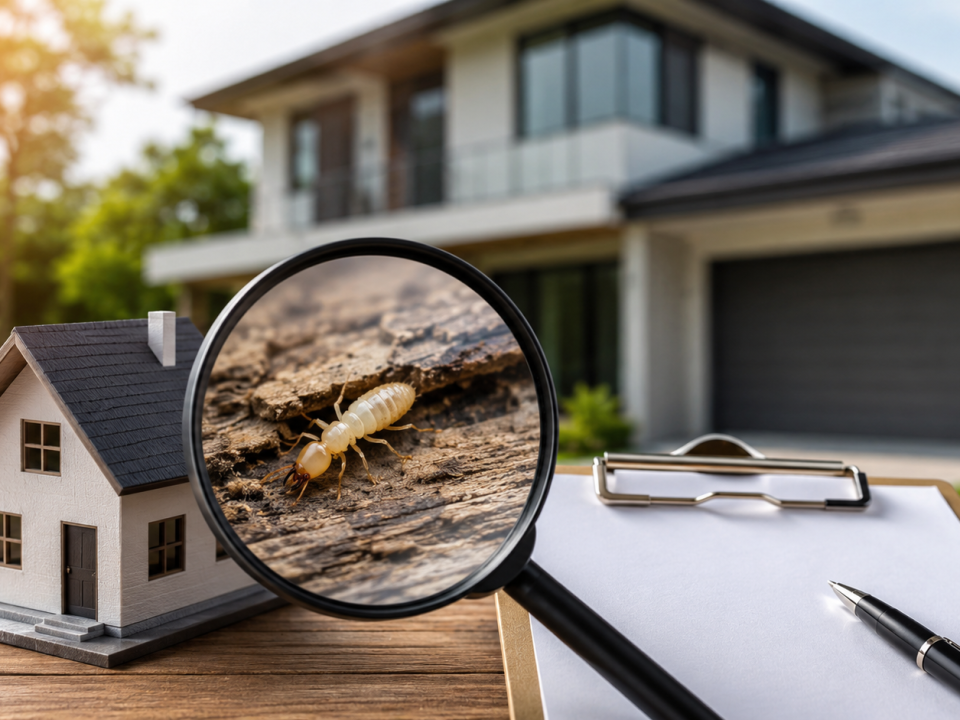
A building inspection may identify visible warning signs, but a dedicated timber pest inspection is recommended to assess termite and other timber pest risks.
5. Why Melbourne Properties Need Professional Building Inspections
Melbourne has a wide range of residential properties, including heritage homes, established brick houses, weatherboard properties, apartments and modern developments.
Their construction methods, age and maintenance requirements can vary significantly.
A professional building inspection in Melbourne helps buyers understand the condition of the specific property they are considering.
Older and Established Properties
Older homes may contain ageing roofing materials, deteriorated timber, outdated drainage systems and previous repairs.
Properties built or renovated before 1990 may also contain asbestos-containing materials. These materials cannot be reliably identified by visual inspection alone. If asbestos is suspected, an appropriate specialist assessment and laboratory testing may be required.
Weatherboard and Timber Homes
Timber properties require attention to moisture exposure, timber condition, external coatings and possible pest activity.
Poor maintenance or prolonged water exposure can contribute to timber deterioration.
Brick and Masonry Properties
Brick homes may develop cracking, mortar deterioration, moisture penetration and drainage-related problems.
The pattern and location of cracks should be considered rather than assuming that every crack indicates structural failure.
Apartments and Townhouses
Apartment inspections can identify defects within the individual unit and accessible areas included in the inspection agreement.
However, common property elements, shared roofing, external structures and owners corporation responsibilities may require separate enquiries.
Buyers should review relevant owners corporation documents and consider whether additional inspections are necessary.
6. What Is the Difference Between a Building Inspection and a Pest Inspection?
A building inspection and a timber pest inspection serve different purposes.
A building inspection focuses on the visible condition of the property’s building components, while a timber pest inspection focuses on evidence of termites and other timber-destroying organisms.
| Building Inspection | Pest Inspection |
| Examines visible building defects | Examines evidence of timber pest activity |
| Checks walls, floors and ceilings | Checks accessible timber components |
| Identifies structural warning signs | Looks for termite damage and activity |
| Examines visible roof and drainage issues | Assesses conditions that may attract timber pests |
| Provides a building condition report | Provides a timber pest inspection report |
A building inspection alone should not be assumed to include a comprehensive termite assessment.
For many property buyers, arranging a combined building and pest inspection is a practical option, particularly when purchasing older homes or properties with substantial timber components.
7. When Should You Arrange a Building Inspection Before Buying?
The best time to arrange a building inspection is before you become legally committed to purchasing the property.
However, the timing depends on whether the property is being sold through a private sale or auction.
Before Making an Offer
If you are considering a private sale, arranging an inspection before making an offer can help you understand the property’s condition before negotiating.
Before Signing the Contract
You should discuss suitable building inspection conditions with your conveyancer or property lawyer before signing the contract.
Consumer Affairs Victoria explains that a private sale can be made subject to a satisfactory building inspection if the seller agrees to the relevant condition.
Before an Auction
If you are planning to purchase a property at auction, arrange the inspection before auction day.
Auction purchases are generally unconditional, and buyers cannot simply add a building inspection condition after winning the auction.
Consumer Affairs Victoria recommends obtaining relevant inspection reports before bidding.
After Receiving the Inspection Report
Allow enough time to review the findings, ask questions and obtain specialist advice if significant defects are identified.
Do not leave the inspection until the final stages of the purchasing process.
8. How to Choose a Reliable Building Inspector in Melbourne
Choosing the right professional is just as important as arranging the inspection.
A detailed and independent inspection report can help you understand the property’s condition and identify areas requiring further attention.
Consider the following factors when selecting a building inspector.
- Relevant Qualifications and Experience
Look for an inspector with appropriate building knowledge, relevant industry experience and an understanding of residential construction.
Ask about their experience inspecting properties similar to the one you intend to purchase.
- Independent Inspection Services
Choose an independent inspection provider who is working in your interests.
Consumer Affairs Victoria advises buyers to obtain their own report rather than relying on an inspection report provided by the seller or agent.
- Professional Indemnity Insurance
Ask whether the inspection provider holds professional indemnity insurance.
This is an important consideration because Consumer Affairs Victoria recommends using an inspection service with appropriate insurance protection.
- Clear and Detailed Reports
A useful inspection report should explain the defects identified, include supporting photographs where appropriate and distinguish between major concerns and routine maintenance issues.
- Transparent Inspection Scope
Before booking, confirm what the inspection includes and what is excluded.
Ask about access restrictions, specialist testing, timber pest inspections and any additional services you may require.
- Local Property Knowledge
A professional familiar with Melbourne’s residential properties may be better equipped to recognise construction characteristics and common maintenance concerns associated with different property types.
- Report Delivery and Communication
Ask when you will receive the report and whether the inspector can explain important findings after the inspection.
A professional who communicates clearly can make the entire process easier for first-time buyers and experienced property investors.
9. How Much Does a Pre Purchase Building Inspection Cost in Melbourne?
The cost of a pre-purchase building inspection in Melbourne depends on several factors, including property size, age, construction type, location, accessibility and the inspection scope.
Based on publicly advertised Melbourne inspection prices, building-only services commonly start at approximately 390–450, while more comprehensive inspections and larger properties can cost considerably more.
Combined building and pest inspections may have higher fees because they involve additional assessment.
The following factors can influence the final price:
- Size of the property.
- Number of storeys.
- Age and construction type.
- Accessibility of the roof space and subfloor.
- Property location and travel requirements.
- Whether timber pest inspection is included.
- Additional specialist assessments.
It is important to compare the scope of services rather than choosing an inspector based only on price.
A cheaper inspection may not provide the coverage or reporting detail you require.
Request a written quote and confirm exactly what is included before booking.
10. What Happens After Receiving the Building Inspection Report?
Receiving the inspection report is an important part of the property purchasing process.
However, understanding the findings and knowing what to do next are equally important.
Here are the steps to consider.
Review the Identified Defects
Start by reviewing the major defects and recommendations.
Pay particular attention to:
- Structural concerns.
- Significant water penetration.
- Roof deterioration.
- Possible timber pest damage.
- Safety-related defects.
- Defects requiring specialist investigation.
Ask the Inspector for Clarification
If you do not understand a particular finding, contact the inspector and request an explanation.
Ask whether the issue appears to be a maintenance concern or whether further assessment is recommended.
Obtain Specialist Advice
A general building inspection may identify signs of a problem without determining its exact cause.
Depending on the findings, you may need assistance from:
- A structural engineer.
- A licensed plumber.
- A licensed electrician.
- A roofing specialist.
- A timber pest inspector.
- An asbestos assessor.
Discuss the Findings With Your Conveyancer
If significant defects are identified, discuss your options with your conveyancer or property lawyer.
Depending on the contract terms and applicable conditions, you may be able to negotiate repairs, reconsider the purchase or request further information.
Make an Informed Decision
Use the inspection findings, specialist advice and financial considerations to decide whether to proceed with the purchase.
Remember that a building inspection report describes the property’s condition at the time of inspection and within the agreed inspection scope.
11. Benefits of Hiring Professional Building Inspection Services in Melbourne
Professional building inspection services Melbourne buyers can rely on provide valuable information before making a major financial commitment.
Some key benefits include:
Better Understanding of Property Condition: Identify visible defects and maintenance concerns before purchasing.
Reduced Financial Uncertainty: Understand potential repair requirements and seek quotations where necessary.
Independent Assessment: Receive an inspection report based on the property’s observed condition rather than relying entirely on the seller’s representations.
Improved Negotiation Preparation: Use documented findings to support discussions with the seller, subject to the contract terms.
Better Maintenance Planning: Understand which issues may need attention immediately and which can be monitored over time.
Greater Purchasing Confidence: Make decisions based on professional observations rather than appearance alone.
Whether you are buying an established family home, a townhouse or an apartment, an independent inspection can form an important part of your property due diligence.
12. Frequently Asked Questions About Pre Purchase Building Inspections in Melbourne
1. What is included in a pre purchase building inspection in Melbourne?
A pre-purchase building inspection generally includes a visual assessment of accessible structural components, roofing, walls, ceilings, floors, windows, doors, wet areas, drainage and other relevant building elements. The inspector documents visible defects and recommends further investigation where necessary. The exact scope depends on the inspection agreement.
2. How much does a pre-purchase building inspection cost in Melbourne?
The price depends on the property’s size, age, location, accessibility and inspection requirements. Publicly advertised Melbourne building-only inspection prices often start around 390–450, with larger or more complex properties costing more. Combined building and pest inspections generally have additional fees.
3. How long does a building inspection take?
The inspection duration depends on the property’s size, construction type, condition and accessibility. A smaller apartment may require less time than a large, multi-storey house. Ask your inspection provider for an estimated timeframe when booking.
4. Should I get a building inspection before buying a house?
Yes. A professional building inspection can identify visible defects and potential maintenance concerns before you purchase. It helps you understand the property’s condition and decide whether further specialist assessments are necessary.
5. Can I negotiate the property price after a building inspection?
You may be able to negotiate with the seller if the inspection identifies significant defects. The outcome depends on the seller’s willingness to negotiate and the terms of the contract. Your conveyancer can advise you about your contractual options.
6. What happens if the building inspection identifies major defects?
Review the findings with the inspector and consider obtaining specialist advice. You can discuss the defects with your conveyancer and assess whether repairs, further investigations or negotiations are appropriate before proceeding.
7. Who pays for the building inspection?
In most cases, the prospective buyer arranges and pays for their own independent pre-purchase building inspection. This allows the buyer to select the inspection provider and receive a report prepared for their own due diligence.
8. Is a building inspection different from a pest inspection?
Yes. A building inspection focuses on visible building defects and the property’s general condition. A pest inspection looks for termites and other timber-destroying organisms. Buyers may choose a combined inspection to assess both areas.
9. How do I choose a reliable building inspector in Melbourne?
Look for relevant qualifications, practical inspection experience, professional indemnity insurance, independent services and clear reporting. Always confirm the inspection scope, exclusions, report delivery time and whether additional pest inspection services are available.
10. Can I attend the building inspection?
Many inspection providers allow buyers to attend, subject to access arrangements and safety requirements. Attending can give you an opportunity to understand the inspector’s observations and ask questions about important findings.
Conclusion: Make an Informed Property Purchase With a Professional Building Inspection
Buying a property in Melbourne is a major investment, and understanding its condition before committing to the purchase is an important part of the process.
A professional Pre Purchase Building Inspection in Melbourne can help identify visible building defects, structural concerns, moisture problems, roofing issues and maintenance requirements that may not be obvious during a standard property viewing.
From established houses and weatherboard properties to modern apartments and townhouses, every property has its own inspection requirements. Choosing an experienced and independent building inspector can help you obtain a clearer understanding of the property’s condition and make a more informed purchasing decision.
Before making your next property purchase, consider arranging a professional building inspection. Contact our team to discuss your property, understand the inspection process and arrange an inspection that suits your requirements.
Make your next property decision with better information and greater confidence.